


How to Choose the Right Kids Dentist Near Me
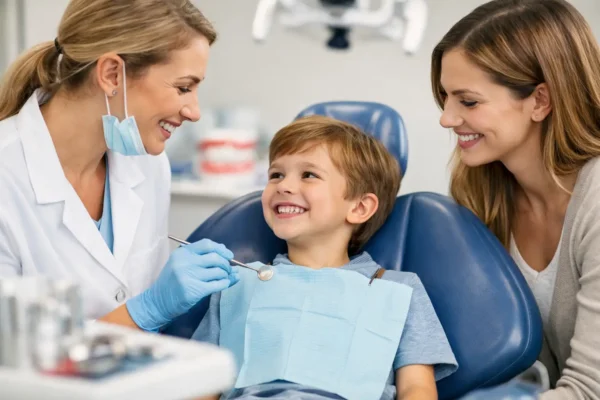
A search for a kids dentist near me often starts after a very ordinary moment: your baby’s first tooth appears, your child mentions that a tooth hurts, or a school form reminds you that it has been a while since the last checkup. The decision can feel bigger than it first appears. Dental visits shape how children view healthcare, their own confidence, and the habits that protect their smiles for years to come.
The right dental home is not simply the closest office with an opening. It is a place where your child is understood at their age and stage, where questions are welcomed, and where prevention comes before problems whenever possible. For families in Lakewood Ranch, Sarasota, Bradenton, and nearby communities, a pediatric dental practice can offer that focused, reassuring start.
What Makes a Kids Dentist Different?
Children are not just smaller versions of adult patients. Their teeth, jaws, communication needs, and comfort levels change quickly from infancy through the teen years. A pediatric dentist receives additional training focused on caring for developing smiles and helping young patients feel secure during care.
That expertise matters during routine visits as well as more complicated moments. A toddler who will not sit still, a child with dental anxiety, an adolescent with changing bite concerns, and a child with special healthcare needs may all benefit from an approach tailored to them. The goal is not to rush a child through an appointment. It is to build a trusting relationship so dental care feels familiar and manageable.
A child-centered office also makes a practical difference. Friendly language, a welcoming environment, and a team that knows how to explain what is happening can turn an unfamiliar experience into one your child can handle with growing confidence.
How to Evaluate a Kids Dentist Near Me
Location matters, especially when you are balancing school schedules, activities, work, and siblings. But convenience should support care, not replace it. As you compare local options, consider whether the practice is designed around children and whether the team gives families clear guidance between visits.
Look for pediatric credentials and experience
Ask who will be caring for your child and what specialized training they have. A board-certified pediatric dentist has completed advanced education in pediatric dentistry and met additional standards through a rigorous certification process. That can provide added reassurance when your child is very young, nervous, or has a treatment need that requires careful planning.
Credentials are only part of the picture. Pay attention to how the practice describes its care. Do they talk about prevention, education, and helping children feel comfortable? A strong pediatric dental team combines clinical skill with patience and compassionate communication.
Consider the first-visit experience
The first dental visit sets the tone. For many children, a positive introduction is more valuable than trying to do too much at once. The team should explain the visit in age-appropriate ways, invite your child to become familiar with the space, and give you time to share concerns about brushing, feeding, thumb-sucking, cavities, or past dental experiences.
For infants and toddlers, parents may receive practical guidance about cleaning new teeth, fluoride, bottle use, and diet. Older children can learn directly about brushing, flossing, and how daily choices affect their teeth. Teens may need support with sports protection, wisdom teeth, orthodontic questions, or staying consistent with care during busy years.
Notice how the office communicates with parents
You know your child best. A good dental team treats you as a partner, not as someone who should simply receive instructions. You should leave appointments understanding what was found, why it matters, and what happens next.
Clear communication is especially important if treatment is recommended. Ask what the options are, how urgent the concern is, what your child may feel during treatment, and how you can prepare them. Some dental concerns require prompt attention, while others can be monitored carefully. The right plan depends on your child’s health, development, symptoms, and level of risk.
Ask about prevention, not only treatment
Cavities are common, but they are not inevitable. Regular checkups allow a pediatric dentist to spot early changes before they become painful or more difficult to treat. Professional cleanings, fluoride recommendations, dental sealants when appropriate, and individualized home-care coaching all support healthy teeth.
Prevention also means recognizing that each child’s risk is different. Frequent sipping on sweet drinks, difficulty brushing, certain medications, enamel differences, and a history of cavities can all affect a child’s needs. A thoughtful practice will avoid one-size-fits-all advice and help your family create routines that are realistic at home.
When Should Your Child First See a Pediatric Dentist?
The American Academy of Pediatric Dentistry recommends a first dental visit by a child’s first birthday or within six months after the first tooth comes in. That may seem early, particularly when there are only one or two tiny teeth to examine. Yet early visits are often calm, simple, and highly useful for parents.
They give the dentist an opportunity to check growth and development, look for early signs of decay, and discuss feeding and oral-care habits before a concern develops. Just as importantly, they help your child begin to see the dental office as a normal, friendly place.
After that first visit, the schedule will depend on your child’s individual needs. Many children benefit from regular checkups every six months, but your pediatric dentist will recommend the timing that makes sense for their oral health.
Helping Your Child Feel Ready for an Appointment
Parents do not need to make dental visits into a major event. A calm, matter-of-fact approach usually works best. Tell your child they are going to the dentist so their teeth can be counted, cleaned, and checked. Keep the explanation simple and positive.
Avoid using words that may create worry, such as “shot,” “drill,” or “it won’t hurt,” especially before you know what care is needed. Children often pick up on an adult’s anxiety, even when the adult means well. Instead, let the dental team explain procedures using words your child can understand.
Choose an appointment time when your child is usually rested, if possible. Bring comfort items when appropriate, arrive with enough time to settle in, and celebrate your child’s effort afterward. Bravery does not mean a child never feels nervous. It means they learn they can get through a new experience with trusted adults beside them.
Signs Your Child May Need a Visit Sooner
Regular preventive visits are the best foundation, but some concerns should not wait for the next scheduled appointment. Contact a pediatric dental office if your child has ongoing tooth pain, facial swelling, a broken or knocked-out tooth, bleeding that does not stop, a mouth injury, or a darkened tooth after a fall.
Call as well if you notice white, brown, or black spots on teeth, persistent bad breath despite brushing, trouble chewing, or sensitivity to hot and cold foods. These signs do not always mean there is a serious problem, but an early evaluation can make a real difference.
For a knocked-out permanent tooth, time matters. Handle the tooth by the crown rather than the root, gently rinse it if it is dirty, and contact a dentist right away. Do not try to reinsert a baby tooth, as this could affect the developing permanent tooth underneath.
Building Healthy Habits Between Visits
The best pediatric dental care continues at home. For young children, parents should help with brushing using a soft toothbrush and a rice-grain-sized smear of fluoride toothpaste until age 3. From ages 3 to 6, use a pea-sized amount and supervise to help prevent swallowing. Most children need hands-on help brushing until they have the coordination to tie their own shoes well.
Brush twice each day, especially before bed, and clean between teeth once neighboring teeth touch. Water is a smart everyday drink, while sweet drinks and frequent sticky snacks are best kept occasional. It is the frequency of sugar exposure, not just the amount, that can raise cavity risk.
At Little Town Smiles, families can find age-appropriate care from LoanAnh T. Bui, DDS, a board-certified pediatric specialist, along with guidance that makes everyday oral health feel more doable. A child who feels heard, supported, and proud of their progress is more likely to carry those healthy habits forward.
Choosing a dental home is a way to give your child more than clean teeth. It gives them a familiar team, a safe place to ask questions, and the confidence to care for their smile as they grow.
Categories: Blog

Comments are closed.