


How Often Should Kids See the Dentist for Checkups?
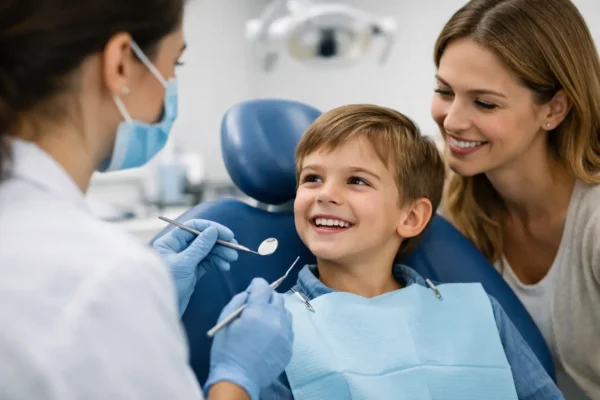
A child’s smile can change quickly. One day you are helping with a first tooth, and before long, they are losing baby teeth, growing permanent ones, and learning to brush more independently. That is why parents often ask: how often should kids see the dentist? For most children, a dental checkup every six months is a healthy routine, but the right schedule should always reflect your child’s individual needs.
Regular visits are about much more than looking for cavities. They give children time to become comfortable in the dental office, give parents practical guidance, and help a pediatric dental team spot small concerns before they become more complicated.
How Often Should Kids See the Dentist?
For many children, visiting the dentist every six months is recommended. This timing gives the dentist a chance to monitor tooth development, clean away plaque that brushing may miss, check the gums, and watch for early signs of tooth decay or bite concerns.
A six-month schedule also helps dental visits feel familiar. When appointments are part of a child’s normal routine rather than something that happens only when a tooth hurts, children are more likely to feel calm and confident in the dental chair. That trusting relationship can make a meaningful difference throughout childhood.
Still, twice-yearly visits are not a one-size-fits-all rule. Some children benefit from more frequent checkups, while others may be on a slightly different schedule based on their oral health, age, habits, and treatment needs. Your child’s pediatric dentist can recommend the timing that best supports their smile.
The First Visit Should Happen Early
A child should see a dentist by their first birthday or within six months after their first tooth appears, whichever comes first. It may seem early, especially when there are only one or two tiny teeth to check, but this first visit creates a great start for both parent and child.
Early appointments allow the dentist to examine the mouth, discuss feeding and brushing habits, and answer questions about teething, thumb sucking, pacifier use, fluoride, and cavity prevention. They also help children learn that the dentist is a friendly place where people care about their smile.
For babies and toddlers, visits are often brief and gentle. The goal is not to expect perfect cooperation. It is to build familiarity and offer parents clear, age-appropriate support.
When Children May Need More Frequent Visits
Some children should be seen more often than every six months. A pediatric dentist may suggest visits every three or four months when a child has a higher risk of cavities, has had recent dental treatment, or needs closer monitoring.
More frequent care can be helpful if your child has had several cavities, visible plaque buildup, enamel weaknesses, frequent snacking or sipping on sweet drinks, or difficulty brushing thoroughly. Children wearing braces or other orthodontic appliances may also need extra support keeping their teeth and gums clean.
Medical history can matter, too. Certain health conditions, medications that cause dry mouth, and developmental or sensory needs can affect oral health and a child’s comfort during care. A pediatric dental practice can tailor visits thoughtfully, with both clinical needs and your child’s personality in mind.
More visits do not mean a child has done something wrong. They are simply a preventive tool. Shorter intervals give the dental team more opportunities to reinforce healthy habits, apply preventive treatments when appropriate, and address concerns while they are still small.
What Happens at a Routine Pediatric Dental Checkup?
A routine visit is designed to help children feel safe while protecting their developing teeth and gums. The exact appointment will vary by age, but it commonly includes an exam, a gentle cleaning, and guidance for both the child and parent.
The dentist checks for cavities, gum health, tooth eruption, jaw growth, bite development, and signs of habits that may affect the teeth. X-rays may be recommended when they are needed to see areas between teeth or beneath the gums that cannot be checked with the eyes alone. They are not necessarily needed at every visit.
Your child may also receive fluoride treatment, depending on their cavity risk and the dentist’s recommendations. For some children, sealants can be a helpful protective option once permanent molars arrive. These thin protective coatings cover the deep grooves where food and bacteria often collect.
Just as valuable is the conversation. Parents can ask about brushing struggles, a child who resists flossing, nighttime drinks, sports mouthguards, or a tooth that looks different. Small questions can lead to simple changes that protect healthy teeth that last a lifetime.
Signs You Should Book a Visit Sooner
Routine checkups are the foundation of good dental care, but some concerns should not wait until the next scheduled appointment. Call the dental office if your child has tooth pain, swelling in the face or gums, a broken or knocked-out tooth, bleeding that does not stop, or a sore that does not heal.
It is also wise to schedule a sooner visit if you notice a dark spot, white chalky areas on teeth, persistent bad breath, sensitivity to hot or cold foods, or trouble chewing. Cavities can sometimes begin without obvious pain, especially in young children. An early evaluation can often mean simpler, more comfortable care.
If a dental injury happens during a game, a fall, or everyday play, try to stay calm and contact a pediatric dentist promptly. If a permanent tooth is knocked out, handle it by the crown rather than the root and seek immediate dental guidance. Fast action can make a difference.
Between Visits, Daily Habits Do the Heavy Lifting
Dental checkups are valuable, but the small routines at home protect children’s smiles every day. Brush twice daily using a soft toothbrush and fluoride toothpaste. For children younger than 3, use a rice-sized smear of toothpaste. Starting at age 3, use a pea-sized amount and help them spit out the excess.
Children usually need hands-on help brushing longer than parents expect. Many can begin practicing on their own, but adults should supervise or assist until a child can reliably clean every surface – often around age 7 or 8, when their hand skills are more developed. Floss once a day when teeth touch side by side.
Food and drink choices matter as well. Water between meals is a smile-friendly choice, while frequent sugary snacks, juice, sports drinks, and sweetened beverages can give cavity-causing bacteria repeated fuel. This does not mean treats are forbidden. It means timing and consistency matter. Serving sweets with a meal and returning to water afterward can be easier on teeth than grazing on sugary foods all afternoon.
A Comfortable Routine Builds Lifelong Confidence
The best dental schedule is one that protects your child’s health and feels manageable for your family. For most children, that means seeing the dentist every six months, beginning by age 1. For children with higher cavity risk or ongoing treatment needs, more frequent visits may offer extra protection and reassurance.
At Little Town Smiles, families can expect age-appropriate care, clear guidance, and a welcoming approach that helps children feel understood. Whether your child is due for a routine checkup or you have noticed a new concern, a timely visit can help turn dental care into a positive part of growing up.
Categories: Blog

Comments are closed.