


Sports Mouthguards: A Parent’s Guide to Protection
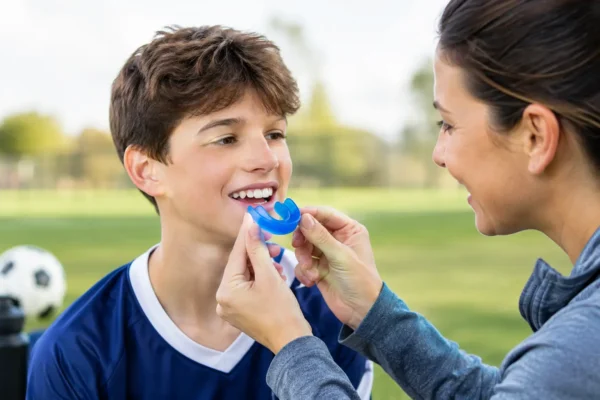
A fast-moving game can change in a second. An elbow, ball, fall, or collision can leave a child with a chipped, loosened, or knocked-out tooth – and those injuries can be painful, stressful, and costly to treat. Sports mouthguards are a simple, effective way to help protect your child’s growing smile while they focus on having fun, learning teamwork, and building confidence.
For families in Lakewood Ranch and surrounding communities, sports often mean busy afternoons on the field, court, rink, or mat. A mouthguard should be part of the routine right alongside water, sunscreen, cleats, and a properly fitted helmet. The best choice depends on your child’s sport, age, comfort, and dental needs, but the goal stays the same: reduce the risk of injuries to the teeth, lips, cheeks, tongue, and jaw.
Why Sports Mouthguards Matter for Children
A mouthguard is a flexible protective device worn over the teeth, usually the upper teeth. It cushions blows to the face and mouth, helping spread the force of impact rather than concentrating it on one tooth or area of the jaw.
Children’s mouths are still changing. Baby teeth may be giving way to permanent teeth, and permanent teeth are not replaceable. Even a minor injury can affect a tooth’s appearance, comfort, or long-term health. A mouthguard cannot prevent every injury, but it can make a meaningful difference when contact happens.
Mouthguards are especially valuable for sports with a clear risk of contact or falls, such as football, hockey, lacrosse, wrestling, martial arts, basketball, soccer, baseball, softball, skateboarding, and cycling. That said, dental injuries do not only happen in high-contact sports. A child can take an unexpected fall during gymnastics, volleyball, cheerleading, or recreational play, too.
Parents sometimes ask whether a mouthguard is necessary if a league does not require one. Requirements are a helpful baseline, but they are not the only reason to protect teeth. If there is a realistic chance of a ball, person, equipment, or hard surface contacting your child’s face, a mouthguard is worth considering.
Choosing the Right Type of Mouthguard
Sports mouthguards generally fall into three categories: stock mouthguards, boil-and-bite mouthguards, and custom-made mouthguards. Each has a place, but fit is what matters most.
Stock Mouthguards
Stock mouthguards come ready to wear in a standard size. They are widely available and inexpensive, but they rarely fit children well. Because they can feel bulky or loose, children may have trouble talking, breathing, or keeping them in place. A child who constantly removes a mouthguard is less protected when it counts.
Boil-and-Bite Mouthguards
Boil-and-bite options soften in hot water and are shaped at home around the teeth. These can offer a better fit than stock guards when carefully molded and replaced as a child grows. They may be a reasonable short-term option for a child who plays a lower-risk sport or is still deciding whether they enjoy a new activity.
The trade-off is that home molding is not always precise. If the guard is too thin, loose, tight, or uncomfortable, it may not provide the protection your child needs. Follow the package directions closely, and do not assume a guard is well fitted simply because it was molded.
Custom-Made Mouthguards
A custom-made mouthguard is created from an impression or digital scan of your child’s teeth. It is designed for their smile, which typically makes it more secure, comfortable, and protective than an off-the-shelf option. A well-fitted guard should stay in place without your child having to bite down or clench.
Custom mouthguards can be especially helpful for children who play contact sports regularly, wear braces, have a history of dental injury, or struggle with the fit of store-bought guards. They are an investment, but comfort often improves the chance that a child will wear the guard consistently.
What a Good Fit Feels Like
A mouthguard should cover the upper teeth and gum area without digging into the gums or causing pain. Your child should be able to breathe easily and speak clearly enough to communicate with coaches and teammates. It should not shift around, fall out, or require constant chewing to stay in position.
A simple rule can help: if your child avoids wearing it because it feels too big, makes breathing difficult, or causes gagging, it needs attention. They may need a different size, a better-molded boil-and-bite guard, or a custom option.
Braces deserve special consideration. Orthodontic brackets can irritate the lips and cheeks during a hit, and the mouthguard should provide enough coverage and cushioning. Since teeth move during orthodontic treatment, the fit may change over time. Ask your pediatric dentist or orthodontist what type of guard is appropriate and when it should be replaced.
Make Mouthguard Care Part of the Routine
A clean mouthguard is more pleasant to wear and easier to keep in good condition. Encourage your child to rinse it with cool water after every use and let it air-dry completely before storing it in a ventilated case. Hot water can warp many mouthguards, so avoid leaving one in a hot car or washing it in the dishwasher.
At home, clean the guard regularly with a toothbrush and mild soap or a mouthguard-cleaning product recommended by your dental team. Toothpaste can be abrasive for some materials, so it is not always the best choice. The storage case should be cleaned, too.
Bring the mouthguard to regular dental visits. A pediatric dentist can check for wear, cracks, rough edges, and fit changes. This is particularly useful during growth spurts, when a guard that fit last season may no longer fit well.
Replace a mouthguard if it has holes, tears, a poor fit, persistent odor, or visible damage. Children who are growing quickly may need a new one more often than adults. A mouthguard that no longer stays in place is not giving the reliable protection it should.
Help Children Remember to Wear It
Children are more likely to wear protective gear when it becomes a normal part of getting ready. Keep the mouthguard in the same sports bag as the helmet, gloves, or cleats. For younger children, a quick check before leaving for practice can prevent the familiar last-minute scramble.
It also helps to explain the reason in language they understand. Rather than making it sound scary, try: “This helps keep your teeth safe so you can play hard.” A child who understands that the guard is part of being prepared may feel more confident wearing it.
For adolescents, comfort and appearance can matter more than parents expect. Give them some choice when possible, such as color or case style, while keeping fit and protection as the priority. A guard they feel comfortable using is more likely to make it from the sports bag to their mouth.
If a Dental Injury Happens Anyway
Even with a mouthguard, accidents can happen. If a tooth is chipped, loose, pushed out of position, or completely knocked out, contact a dentist promptly. Quick action can make a difference, particularly with a permanent tooth.
If a permanent tooth is knocked out, handle it by the crown, not the root. If it is dirty, gently rinse it with water without scrubbing it. If your child is old enough to do so safely, place the tooth back in the socket. If that is not possible, keep it moist in milk or in your child’s saliva and seek urgent dental care. Do not try to reinsert a baby tooth.
At Little Town Smiles, we believe prevention should feel practical, not overwhelming. A mouthguard is one small habit that can help protect the smiles children use to laugh, cheer, and show their growing confidence. Before the next season begins, take a moment to check your child’s fit – healthy teeth that last a lifetime are worth protecting.
Categories: Blog

Comments are closed.