


When Children Lose Molars: What Parents Should Know
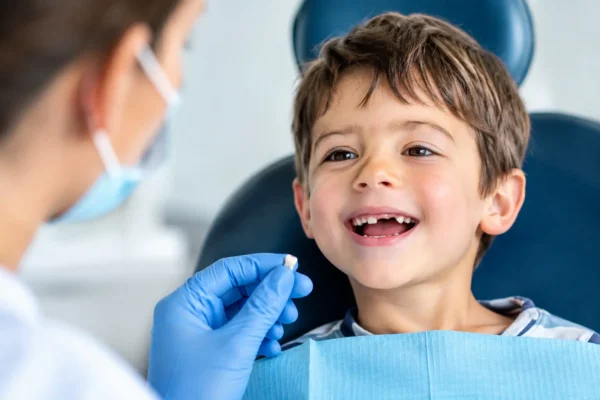
A child proudly presenting a tooth in their palm can be an exciting family milestone. But when children lose molars, parents often have more questions than they do about the front teeth: Was that tooth supposed to come out? Will another one grow in? Is the timing right? Understanding the difference between baby molars and permanent molars can turn a surprising moment into a reassuring one.
When Do Children Lose Molars?
Most children begin losing baby teeth around age 6 or 7, usually starting with the lower front teeth. Baby molars tend to come out later, often between ages 9 and 12. The timing varies from child to child, and a healthy child may be a little earlier or later than a sibling or classmate.
Baby molars do not get replaced by permanent molars. Instead, they are replaced by permanent premolars, which are the teeth located between the canine teeth and adult molars. The roots of the baby molar gradually dissolve as the permanent premolar develops underneath. Eventually, the baby tooth becomes loose and falls out.
Many parents are understandably surprised to learn that the first permanent molars usually arrive before a child loses any baby molars. These “6-year molars” typically erupt behind the last baby molars around age 6 or 7. Because they do not replace a baby tooth, there may be no wiggly tooth to signal that they are coming in. A second set of permanent molars often appears around ages 11 to 13.
That distinction matters. A loose baby molar at age 10 may be perfectly expected. A loose permanent molar, however, should be checked promptly, especially if it became loose after a fall, sports injury, or other accident.
How to Tell Whether a Molar Is a Baby Tooth
It is not always easy to identify a molar once it has fallen out, particularly when a child is eager to put it under a pillow. Baby molars are generally smaller and whiter than permanent molars, with shorter, thinner roots that may look partly dissolved. Permanent molars are wider, more textured on top, and often appear slightly more yellow than baby teeth.
The tooth’s location offers an even better clue. If the tooth came from the very back of your child’s mouth and there was no tooth behind it beforehand, it could be a permanent molar. If a new tooth had already erupted behind the baby tooth, the loose or missing molar may be a baby tooth being replaced by a premolar.
When in doubt, save the tooth and bring it to your child’s dental visit. A pediatric dental team can identify it and make sure the adult tooth is developing and erupting as expected.
What if the Baby Molar Has No Root?
Parents sometimes worry when a lost baby molar seems to have almost no root. This is usually normal. The permanent tooth beneath it naturally absorbs the baby tooth’s roots over time, allowing the tooth to loosen. A little bleeding from the gum is also common after a baby tooth comes out.
Have your child bite gently on clean gauze for several minutes if needed. The area may feel tender for a day or two, but significant pain is not typical after a naturally loose baby tooth falls out.
Helping Your Child Through a Loose Molar
A wiggly molar can feel strange, and some children may be nervous about eating or brushing near it. Reassure your child that loose baby teeth are part of growing up. Let the tooth come out on its own whenever possible rather than pulling it before it is ready.
Your child can gently wiggle the tooth with a clean finger if it is already very loose. Encourage regular brushing, even around the loose tooth, because plaque can collect along the gumline. A soft toothbrush, gentle pressure, and a little patience can keep the area clean without making it uncomfortable.
For a tender gum, offer soft foods such as yogurt, scrambled eggs, soup that has cooled to a safe temperature, or applesauce. Crunchy foods are fine if your child feels comfortable, but it may help to avoid hard candy, ice, popcorn kernels, and sticky treats while the tooth is very loose. If a small amount of bleeding occurs, clean gauze and gentle pressure are usually all that is needed.
A child who is old enough to reliably spit may also find a warm saltwater rinse soothing. Avoid placing aspirin directly on gums, as it can irritate tissue. If you are considering an over-the-counter pain reliever, use an age-appropriate product and follow your child’s physician or dentist’s guidance.
When a Lost Molar Needs a Pediatric Dentist’s Attention
A naturally loose baby molar usually does not require an urgent visit. Still, there are times when a call to your child’s pediatric dentist is the right next step. Contact the office if your child has persistent or severe pain, facial swelling, fever, drainage from the gum, or bleeding that does not stop with gentle pressure.
It is also wise to schedule an evaluation if a baby molar falls out much earlier than expected. Early loss can happen after an injury, infection, or severe cavity. Depending on the child’s age and the tooth involved, the open space may need protection so nearby teeth do not drift into it and block the permanent tooth’s path.
Call promptly if a permanent molar feels loose, chips, breaks, or comes out after an injury. Permanent teeth are meant to last for life, and timely care can make a meaningful difference. Never try to put a knocked-out baby tooth back into the socket. For a permanent tooth that has been knocked out, contact a dentist immediately for guidance and handle the tooth only by the chewing surface, not the root.
Why Baby Molars Matter So Much
Because baby molars eventually fall out, it can be tempting to think they are less important than adult teeth. In reality, they play a major role in a child’s comfort, nutrition, speech, and bite development. They also help preserve space for the permanent teeth that will follow.
Cavities in baby molars can grow quickly, particularly because molars have deep grooves that can hold food and bacteria. A painful or infected baby tooth can affect sleep, school, eating, and a child’s confidence. Regular preventive visits help catch concerns before they become stressful experiences.
As permanent molars emerge, they deserve special attention. Since these teeth arrive at the back of the mouth, children may miss them while brushing. Help your child brush all the way to the last tooth twice a day with fluoride toothpaste, using an amount appropriate for their age. Once teeth touch side by side, flossing helps clean the spaces a toothbrush cannot reach.
A Note About Florida’s Busy Family Schedules
Between school, sports, birthdays, and summer activities, it is easy for a wiggly tooth or new back molar to go unnoticed. A routine dental checkup gives your child’s dentist the chance to monitor tooth development, look for cavities in newly erupted molars, and provide practical guidance that fits your family’s routine.
At Little Town Smiles, the goal is to help children feel comfortable asking questions about every new stage of their smile. A calm, positive dental experience can help them build confidence in caring for their teeth long after the tooth fairy visits become a family memory.
A loose baby molar is usually one small sign that your child is growing exactly as they should. Celebrate the milestone, keep the area clean, and trust your pediatric dental team to be a caring partner whenever the timing, symptoms, or tooth itself does not seem quite right.
Categories: Blog

Comments are closed.