


Are Dental X Rays Safe for Children at the Dentist?
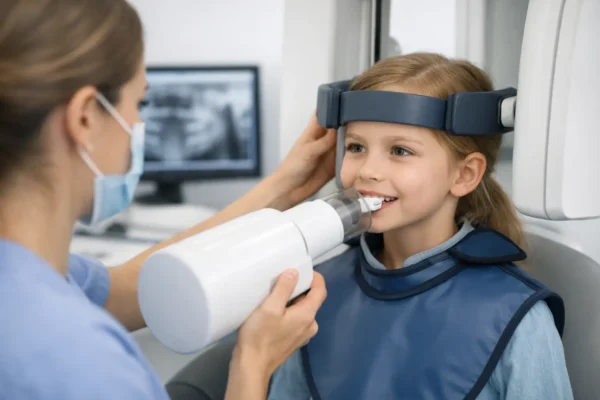
A dental X-ray is not a picture we take simply because a child is sitting in the chair. It is a diagnostic tool used when it can answer a meaningful question about your child’s oral health. So, are dental x rays safe for children? When they are recommended thoughtfully and taken with modern pediatric techniques, the answer is yes.
At Little Town Smiles, we understand that parents want clear answers before agreeing to any part of their child’s care. X-rays are used carefully, only when they will help us see something that a visual exam cannot reveal. That approach protects your child while helping prevent small concerns from becoming bigger, more uncomfortable problems.
Are Dental X Rays Safe for Growing Smiles?
Dental X-rays use a very small amount of radiation to create images of areas below the gumline, between teeth, and inside the jaw. A dentist cannot see these areas during a regular exam, even when a child opens wide and brushes well.
Children are still growing, which is one reason pediatric dentists are especially thoughtful about imaging. We use the lowest exposure needed to get a clear, useful image and avoid taking X-rays on a one-size-fits-all schedule. The decision depends on your child’s age, cavity risk, dental development, past X-rays, symptoms, and what we can see during the exam.
Modern digital dental X-rays use far less radiation than older film systems. The amount from a typical dental image is very low, especially compared with many everyday sources of natural background radiation. Still, low exposure does not mean unnecessary exposure. The safest X-ray is the one that has a clear clinical purpose.
Why a Child May Need Dental X-Rays
A child can have a clean-looking smile and still have a cavity developing between two teeth. These spaces are difficult to inspect with the eyes alone, particularly once baby teeth fit closely together. Finding a cavity early may allow for a simpler, more comfortable treatment and help preserve more healthy tooth structure.
X-rays can also help a pediatric dentist monitor how the teeth and jaws are developing. They may show whether permanent teeth are forming as expected, whether there is enough room for them to come in, or whether a baby tooth is blocking the path of an adult tooth. They can be useful after an injury, when a toothache has no obvious cause, or when swelling or infection is suspected.
For some children, imaging is needed more often. A child who has had cavities, has frequent sugary snacks or drinks, has weaker enamel, or has difficulty brushing thoroughly may benefit from closer monitoring. A child with a low cavity risk, healthy gums, and open spaces between teeth may need X-rays less often. This is why individualized care matters.
How Pediatric Dentists Keep X-Ray Exposure Low
Safety begins before the image is taken. Your child’s dentist should review previous X-rays and ask whether images were taken at another dental office recently. There is no benefit to repeating an image that is still current and provides the information needed.
When new X-rays are appropriate, several safeguards help keep radiation exposure as low as reasonably achievable. Digital sensors are highly sensitive and require less exposure than traditional film. The machine is adjusted for a child’s size, and the beam is carefully aimed at the small area being examined. The dental team also uses protective shielding according to current safety guidance and the child’s needs.
Just as important, the team takes time to help children stay still. A blurry image may need to be repeated, so a calm explanation can be part of good radiation safety. Children are often more cooperative when they know what to expect: the sensor may feel a little unusual, the picture takes only a moment, and a parent or trusted team member will be nearby to encourage them.
The Benefit-Risk Balance Parents Should Know
It is understandable to focus on radiation, but it is also worth considering the risk of missing a problem. Untreated cavities can grow quickly in baby teeth. What begins as a small area between teeth may lead to pain, infection, difficulty eating, missed school, or more involved treatment later.
X-rays help dentists diagnose issues before they become visible, painful, or urgent. They can guide preventive care, help determine whether a sealant or fluoride treatment may be helpful, and support thoughtful planning when teeth are erupting or crowding is a concern.
That does not mean every child needs every type of X-ray at every visit. A thorough discussion should include why the image is being recommended and what the dentist expects to learn from it. Parents are welcome to ask questions, and a caring dental team should make room for those questions without pressure.
What to Expect at Your Child’s Appointment
For many children, their first dental visit does not include X-rays. Infants and toddlers may only need a gentle visual exam, a discussion about feeding and brushing habits, and guidance as teeth begin to appear. X-rays become more likely when teeth are touching, when a child has a history of cavities, or when the dentist sees a concern that needs a closer look.
If X-rays are recommended, your child may sit in the dental chair or stand near the imaging equipment, depending on the type of image needed. A small sensor or film holder is placed in the mouth for certain pictures. The process is brief, but younger children sometimes need a little practice before they are ready.
Parents can help by using calm, simple language. Rather than saying, “Don’t be scared,” try, “The dentist is going to take a special tooth picture.” Avoid promising that a sensor will feel like nothing, since some children find it awkward. Honest reassurance builds trust: it may feel different for a few seconds, and the team will help them through it.
Questions to Ask Before Your Child’s X-Rays
If you are uncertain, ask what the X-rays are checking for and whether your child has had recent images that can be used instead. You can also ask how the recommendation relates to your child’s cavity risk, dental development, or symptoms.
It is helpful to tell the dental team about any medical conditions, previous facial injuries, and recent dental care. If your child is an adolescent and could be pregnant, share that information before imaging. The dentist can then decide whether the X-ray can be postponed or whether it is necessary for urgent care.
You should also let the team know if your child has had a difficult experience with X-rays before. Pediatric dental teams are trained to adapt their approach, offer practice, and use encouraging language that helps children feel capable rather than rushed.
A Thoughtful Part of Preventive Care
Dental X-rays are one part of a bigger picture that includes exams, cleanings, fluoride, home brushing routines, nutrition guidance, and a relationship with a dental team your child can trust. They are not a replacement for prevention, and they are not automatic. Used at the right time, they give your child’s dentist information that can protect comfort, confidence, and healthy development.
If you ever have a question about an X-ray recommendation, bring it up. A great pediatric dental experience includes helping parents feel informed and helping children learn that caring for their smiles can be calm, safe, and positive.
Categories: Blog

Comments are closed.