


7 Baby Bottle Tooth Decay Prevention Tips
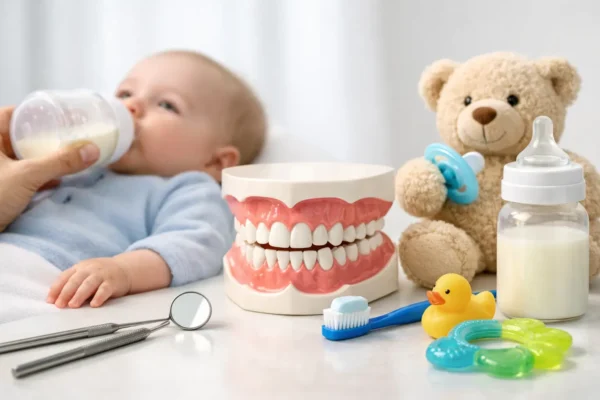
A baby can develop a cavity soon after the first tooth appears, which is why baby bottle tooth decay prevention begins earlier than many families expect. Those tiny front teeth help your child smile, speak, chew, and make room for permanent teeth later on. Protecting them is a loving daily habit, not a reason to feel worried or guilty.
Baby bottle tooth decay is a common name for early childhood cavities, especially those that affect the upper front teeth. It can progress quickly because baby teeth have thinner enamel than adult teeth. The good news is that a few realistic routines can make a meaningful difference.
What causes baby bottle tooth decay?
Cavities form when bacteria in the mouth use sugars from food and drinks and produce acids that weaken tooth enamel. Milk, formula, breast milk, juice, sweetened drinks, and snacks can all leave natural or added sugars on teeth. The concern is not that these foods are inherently bad. It is how often teeth are exposed to them and whether they are cleaned afterward.
Frequent sipping or falling asleep with a bottle allows liquid to stay around the teeth for a long time. Saliva naturally helps rinse and protect the mouth during the day, but saliva flow slows during sleep. That makes bedtime and overnight feeding habits especially important to discuss with your child’s pediatric dentist.
Decay may first look like dull white spots along the gumline, particularly on the upper front teeth. As it advances, spots can become yellow, brown, or dark. A child may also seem sensitive to cold foods, avoid chewing, or have trouble sleeping. Call a pediatric dental office if you notice changes in your child’s teeth, even if they do not seem uncomfortable.
1. Clean gums before teeth arrive
Oral care can start before the first tooth. After feedings, gently wipe your baby’s gums with a clean, soft, damp washcloth. This helps remove milk residue and makes mouth cleaning feel familiar from the beginning.
Once the first tooth erupts, switch to a soft, age-appropriate toothbrush. Use a tiny smear of fluoride toothpaste, about the size of a grain of rice, twice daily. Fluoride strengthens enamel and helps repair early weak spots before they become cavities. Parents should do the brushing at this age, even if a child wants to hold the brush too.
2. Keep bottles for feeding, not soothing
A bottle is a useful feeding tool, but it should not become an all-day comfort item. Carrying a bottle of milk, formula, juice, or a sweet drink from room to room means teeth receive repeated sugar exposure. Offer feedings at regular times, then gently remove the bottle when your baby is finished.
If your child needs a bottle to settle at bedtime, begin by talking with your pediatrician or pediatric dentist about a gradual plan that fits your family’s routine. For many children, the practical goal is to brush after the final milk or formula feeding and offer only water afterward. Never dilute formula unless your child’s medical provider specifically recommends it.
Avoid dipping a pacifier in honey, sugar, syrup, or other sweet substances. These may soothe briefly, but they place sugar directly against developing teeth.
3. Make water the between-meal drink
For most babies older than 6 months, small amounts of water may be offered in a cup with meals, depending on guidance from their pediatrician. As children grow, water is the best choice between meals and snacks because it does not feed cavity-causing bacteria.
Juice is not needed for infants, and even 100% juice contains natural sugars that can contribute to tooth decay. If you offer juice to an older child, serve a small amount with a meal in an open cup or straw cup rather than letting your child sip it over a long period. Sweetened teas, sports drinks, soda, and flavored waters should not be routine drinks for young children.
In Southwest Florida’s warm weather, it is easy for little ones to become attached to a cup during outings. Packing plain water for the park, car ride, or beach is a simple way to support healthy teeth and hydration at the same time.
4. Brush after the last feeding of the day
The most protective nighttime routine is also one of the simplest: brush your child’s teeth after the last feeding, snack, or drink other than water. Then put them to bed with no bottle, or with water only if a bottle is still part of the routine.
For children under 3, use that rice-sized smear of fluoride toothpaste. From age 3 through 6, use a pea-sized amount and encourage them to spit it out, but do not expect perfect brushing skills. Young children need an adult to brush or closely supervise brushing until they can tie their own shoes well, often around age 6 to 8.
Try making brushing calm and predictable. A favorite song, a short timer, or taking turns brushing can help. The goal is not a flawless performance. It is building a trusting relationship with this everyday habit.
5. Transition from bottle to cup when your child is ready
Many children can begin learning to use a cup around 6 months, and families can gradually move away from bottles between 12 and 18 months. There is no need for a sudden, stressful change if your child is strongly attached to the bottle. Reducing one bottle at a time, beginning with daytime bottles, often feels more manageable.
Sippy cups and straw cups can be helpful during the transition, but they are not cavity-proof. A cup filled with milk or juice and used for hours can create the same issue as a bottle. Think of milk as part of a meal or snack, and use water for sipping between them.
6. Choose tooth-friendly snacks most of the time
How often children eat can matter as much as what they eat. Frequent grazing keeps the mouth in a cycle of acid attacks. Offering meals and planned snacks gives saliva time to do its protective work.
Choose options such as cheese, yogurt without added sugar, eggs, vegetables, fruit, and other nourishing foods that fit your child’s age and ability to chew safely. Sticky sweets, crackers, dried fruit, and pouches can cling to teeth, so they are best followed by water and regular brushing. You do not need to eliminate every treat to protect your child’s smile. Consistent routines matter more than perfection.
7. Schedule a first dental visit by age 1
A child’s first dental visit should happen by their first birthday or within six months of the first tooth appearing, whichever comes first. This early appointment is often brief and gentle. It gives a pediatric dental team the chance to check tooth development, look for early signs of decay, discuss fluoride needs, and answer feeding or brushing questions before a small concern becomes a bigger one.
Regular visits also help children see the dental office as a familiar, friendly place. At Little Town Smiles, families can expect age-appropriate care and clear guidance from a board-certified pediatric dental specialist and a team that understands how to help children feel comfortable.
When feeding needs are more complicated
Some families have circumstances that make standard advice harder to follow. A baby may need overnight feeds because of age, growth, medical needs, or guidance from a pediatrician. Breastfeeding provides important benefits, and it should not be treated as something to fear. The key is to clean teeth consistently once they erupt and ask for individualized advice when feedings are frequent or continue through the night.
Children with special health care needs, dry mouth, enamel differences, or medications containing sugar may have a higher cavity risk. They may benefit from more frequent preventive visits or additional fluoride recommendations. A pediatric dentist can help create a plan that respects your child’s health needs and your family’s daily reality.
Healthy baby teeth give children a comfortable start with eating, speaking, learning, and smiling. Start with one manageable change tonight – a gentle brush after the last feeding – and let that small moment become part of the healthy habits your child carries forward.
Categories: Blog

Comments are closed.