


12 Best Healthy Teeth Snacks for Growing Kids
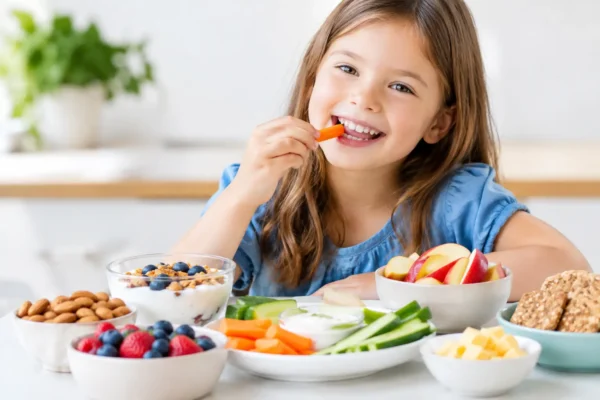
A snack can be nourishing for a growing body and still be tough on teeth. The best healthy teeth snacks give children satisfying nutrition without leaving frequent sugar behind for cavity-causing bacteria to use. For busy families, the goal is not perfection. It is choosing foods that support healthy smiles most of the time, then serving them in a way that makes dental care easier.
Children need snacks, especially during growth spurts, school days, sports, and long Florida afternoons outdoors. A little planning can help protect their teeth between meals while building habits that last a lifetime.
What Makes a Snack Tooth-Friendly?
Every mouth contains bacteria that feed on carbohydrates, especially sugars. After a sweet or starchy snack, those bacteria produce acids that can weaken tooth enamel. The concern is not only how much sugar a child eats. How often teeth are exposed matters, too.
A snack is generally friendlier to teeth when it is low in added sugar, does not cling to the chewing surfaces for a long time, and is paired with water. Foods that require chewing, such as crisp fruits and vegetables, can be a refreshing choice, although they do not replace brushing and flossing.
Texture matters. A cookie may disappear quickly, but crackers, chips, dried fruit, fruit snacks, and chewy granola bars can linger in the grooves of back teeth. Even foods marketed as wholesome can be sticky or sweet. That does not make them off-limits, but they are usually better enjoyed with a meal rather than grazed on throughout the day.
12 Best Healthy Teeth Snacks for Kids
The right choice depends on your child’s age, chewing skills, allergies, and nutritional needs. For infants and young toddlers, always cut foods appropriately and supervise eating. Whole grapes, nuts, popcorn, hard raw vegetables, and spoonfuls of nut butter can be choking hazards for young children.
1. Cheese Cubes or Cheese Sticks
Cheese is an easy, filling snack that provides calcium and protein. It contains little sugar and can be a practical option for lunchboxes, car rides, or after-school hunger. Choose portions your child can comfortably chew, and offer water alongside it.
2. Plain Yogurt With Fresh Fruit
Plain or low-sugar yogurt can provide protein and calcium. Add sliced strawberries, blueberries, peaches, or banana rather than choosing yogurt with candy pieces or lots of added sweetener. Check labels carefully, because flavored yogurts can vary widely in added sugar.
3. Crunchy Apple Slices
Apples offer fiber and a crisp texture children often enjoy. Serve thin slices for younger children and consider pairing them with cheese. Apples contain natural sugars, so they are still best served as a snack at one sitting, followed by water, rather than nibbled over an hour.
4. Crisp Vegetables With Hummus
Cucumber rounds, bell pepper strips, snap peas, and lightly steamed carrot sticks can make a colorful snack plate. Hummus adds protein and makes vegetables more satisfying. For little ones, soften vegetables as needed and cut them into safe, age-appropriate pieces.
5. Eggs
A hard-boiled egg, egg bites, or a small portion of scrambled egg offers protein without added sugar. Eggs are especially helpful when a child needs a more substantial snack before practice or a late dinner. They are also gentle on teeth compared with sugary packaged snacks.
6. Cottage Cheese and Soft Fruit
Cottage cheese provides protein and calcium, while soft fruit adds flavor and variety. Try it with berries, diced melon, or pear slices. Skip canned fruit packed in syrup when possible, and choose fruit in its own juice or fresh fruit instead.
7. Whole-Grain Toast With Avocado
Avocado on whole-grain toast can be a satisfying snack for older children and teens. It delivers healthy fats and fiber without the stickiness of many sweet spreads. Because bread is a carbohydrate, it is still wise to have it during a defined snack time instead of taking tiny bites all afternoon.
8. A Small Handful of Nuts or Seeds
For children old enough to safely chew them and without allergies, nuts and seeds offer protein and healthy fats. Unsweetened varieties are the best choice. Young children may do better with finely ground nuts mixed into food or a thin layer of nut butter spread on toast.
9. Unsweetened Applesauce
Unsweetened applesauce can be a good soft option for toddlers and children who need something gentle after orthodontic adjustments or dental treatment. Look for containers labeled unsweetened, since some varieties have added sugars. It is best offered with a spoon at snack time, not sipped from a pouch over a long period.
10. Homemade Smoothies Served With a Meal or Snack
A smoothie made with plain yogurt, milk or a milk alternative, and whole fruit can be nutritious. The trade-off is that blending fruit makes it easier to consume quickly and can coat teeth with natural sugars. Keep portions reasonable, avoid added honey or syrups, and serve smoothies in an open cup rather than letting children sip them for hours.
11. Roasted Chickpeas
Roasted chickpeas can be a crunchy, savory alternative to crackers or chips for older children. They offer fiber and protein and can be seasoned simply. Check the texture for your child’s age and avoid very hard varieties for children who are still learning to chew safely.
12. Water and a Balanced Mini-Meal
Sometimes the most tooth-friendly snack is not a single packaged food. A small plate of cheese, fruit, and vegetables, or yogurt with fruit and water, helps a child feel full and reduces the urge to keep searching for sweets. Water is the best drink between meals because it rinses the mouth without adding sugar or acid.
Snack Habits That Protect Little Smiles
A child can enjoy nutritious foods and still have a higher cavity risk if they graze constantly. Each snack starts an acid challenge in the mouth, and teeth need time to recover. Creating predictable snack times is kinder to teeth than allowing all-day access to crackers, juice, or sweet drinks.
Try to keep snacks to a set time, then offer water afterward. If your child has juice, chocolate milk, sports drinks, or sweetened tea, reserve them for an occasional meal rather than a travel cup that lasts all morning. Frequent sipping is particularly hard on enamel because the exposure continues.
After a snack, water is usually enough. Brushing should happen twice a day with fluoride toothpaste, including once before bed. For children under 3, use a rice-grain-sized smear of fluoride toothpaste. For children ages 3 and older, use a pea-sized amount and help or supervise until they have the coordination to brush thoroughly and spit well.
A Note About “Healthy” Packaged Snacks
Packaging can make snack decisions confusing. Organic fruit snacks, gummy vitamins, dried fruit strips, and cereal bars may sound nutritious, but many are concentrated sources of sugar or stick to teeth. Potato chips and crackers do not always taste sweet, yet their starches can break down in the mouth and lodge around molars.
This does not mean your child can never have these foods. Family life includes birthday parties, school celebrations, and favorite treats. The practical approach is to enjoy them occasionally, offer them with a meal when possible, and return to water and regular brushing afterward. A calm, consistent routine is more valuable than making food feel scary or forbidden.
At Little Town Smiles, we believe every child deserves a great start with healthy habits and a dental home where questions are always welcome. Bring your child’s favorite snacks to their next visit as a conversation starter. Small changes at the kitchen table can help support confident smiles for years to come.
Categories: Blog

Comments are closed.