


Best Toothbrushes for Preschoolers Made Simple
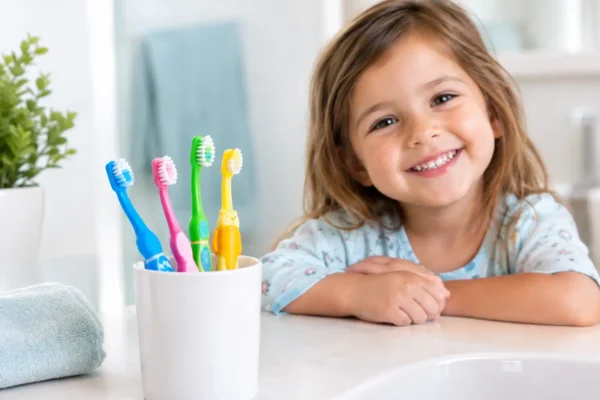
A preschooler who insists on brushing “all by myself” is taking an important step toward a lifelong habit. The best toothbrushes for preschoolers make that growing independence safer, easier, and more enjoyable, while still giving parents enough control to clean every tooth well.
At ages 3 to 5, children are learning coordination, routines, and confidence. They are not yet ready to brush thoroughly without help, but a toothbrush that feels comfortable in their small hand can turn morning and bedtime brushing into a positive part of family life.
What Makes a Toothbrush Right for a Preschooler?
The best choice is not necessarily the toothbrush with the brightest character or the biggest package of extras. Look first for a toothbrush that is gentle on developing gums, sized for a small mouth, and easy for a child and caregiver to hold.
A preschool toothbrush should have soft bristles. Soft bristles remove plaque effectively when used with a gentle technique, without scrubbing tender gums or wearing at the gumline. Hard or medium bristles are not needed for young children and can encourage overly forceful brushing.
The head should be small enough to reach the back teeth without making your child uncomfortable. A compact head also helps a parent guide the brush along the outside, inside, and chewing surfaces of each tooth. If the brush head looks large in your child’s mouth or triggers gagging, try a smaller option.
An easy-grip handle matters, too. A wider, textured handle can be more comfortable for preschool hands that are still developing fine motor skills. Some handles have a non-slip grip, while others are shaped to rest naturally in a child’s palm. The best fit is the one your child can hold comfortably without dropping it or chewing on the handle.
Best Toothbrushes for Preschoolers: Features to Look For
When comparing toothbrushes, start with the basics: soft bristles, a small head, and an age-appropriate handle. Beyond that, a few thoughtful features can support better daily brushing.
Soft, rounded bristles
Choose a brush labeled “soft” and designed for children. Rounded bristle tips are made to be gentle against gums and tooth enamel. A colorful bristle pattern can also help parents know how much toothpaste to use, although the amount should remain small – a pea-sized smear of fluoride toothpaste for children ages 3 to 5.
A head sized for little mouths
Preschoolers have smaller mouths, and their back molars can be tricky to reach. A compact brush head provides better access without overwhelming your child. There is no prize for using a larger brush sooner. Comfort and control are more valuable than size.
A handle that invites independence
Children are more likely to participate when the toothbrush feels like it belongs to them. A sturdy handle with a comfortable grip lets your child practice brushing first. Then, a parent or caregiver can take a turn to finish the job.
Colors, animal designs, and favorite characters can be helpful if they make brushing more appealing. They are a bonus, not the deciding factor. If a simple toothbrush is the one your child enjoys using twice a day, it is a great choice.
A brush that is easy to keep clean
Choose a toothbrush that can be stored upright and allowed to air-dry. After brushing, rinse it well and place it where it will not touch another family member’s brush. A closed travel cap is useful for short trips, but at home, the brush should be uncovered so moisture can evaporate.
Manual or Electric: Which Is Better?
Both manual and powered toothbrushes can work well for preschoolers. The better choice depends on your child’s comfort, sensory preferences, and willingness to brush.
A manual toothbrush is affordable, familiar, and simple. It gives parents direct control when helping a child brush. Many families find that a small manual brush is all their preschooler needs, especially when an adult helps with careful brushing for two minutes.
A child-sized powered toothbrush may be a good option for a child who is excited by the vibration, music timer, or feeling of using a “grown-up” tool. Some children brush longer when a timer is built in. Others dislike the sound or sensation and may resist it completely. There is no need to push an electric brush if it makes brushing stressful.
If you choose a powered toothbrush, select one intended for young children, with a small soft-bristled head. Supervise closely, especially during the first few uses. The brush should glide gently over the teeth rather than be pressed hard against them.
How to Use the Toothbrush You Choose
A wonderful toothbrush cannot replace an adult’s help. Preschoolers can begin brushing on their own, but they still need a parent or caregiver to brush afterward or carefully check and touch up the missed areas.
Use a pea-sized amount of fluoride toothpaste for children ages 3 through 5. Encourage your child to spit out the toothpaste after brushing, but do not worry if they cannot rinse perfectly yet. Keep toothpaste out of reach between brushing times, since preschoolers may be tempted to use more than they need.
Aim the bristles gently at the teeth and gumline. Brush the outside surfaces, inside surfaces, and chewing surfaces, including the back molars where food and plaque often collect. A simple family routine can help: your child gets a turn, then the grown-up gets a turn. Two minutes, twice a day, is the goal.
If your child resists brushing, try changing the routine rather than turning it into a battle. Let them choose between two toothbrush colors, brush alongside them, play a favorite two-minute song, or have them brush a stuffed animal’s “teeth” first. Calm consistency builds trust far better than pressure.
When to Replace a Preschool Toothbrush
Replace your child’s toothbrush about every three to four months, or sooner if the bristles become frayed, flattened, or worn. Bent bristles do not clean as effectively and may be a sign that your child is brushing too hard or chewing on the brush.
It can be helpful to replace the toothbrush with the change of seasons or on another easy-to-remember schedule. Keep an extra age-appropriate brush at home so a worn-out brush does not become tomorrow morning’s problem.
Do not share toothbrushes, even among siblings. Each child should have their own brush, stored so the bristles do not touch anyone else’s.
Common Toothbrush Mistakes to Skip
Parents often mean well when they choose a more advanced-looking brush, but bigger is not always better. Avoid adult-sized heads, medium or hard bristles, and brushes that are too large for your child to manage comfortably.
It is also wise to skip novelty toothbrushes with rough decorative pieces near the brush head or features that distract from brushing safely. A fun design is welcome, but the brush still needs to fit the mouth well and have soft bristles.
Most of all, avoid treating a toothbrush as a substitute for supervision. Preschoolers need encouragement to practice, but they also need a caring adult to make sure plaque is removed from every surface. This shared routine teaches children that caring for their teeth is normal, positive, and worth doing every day.
A small, soft toothbrush and a patient helping hand can give your child a great start. If brushing remains difficult, causes discomfort, or you have questions about your child’s oral health routine, the pediatric team at Little Town Smiles can help your family find an approach that supports healthy teeth and a confident smile.
Categories: Blog

Comments are closed.