


A Child Teeth Grinding Guide for Concerned Parents
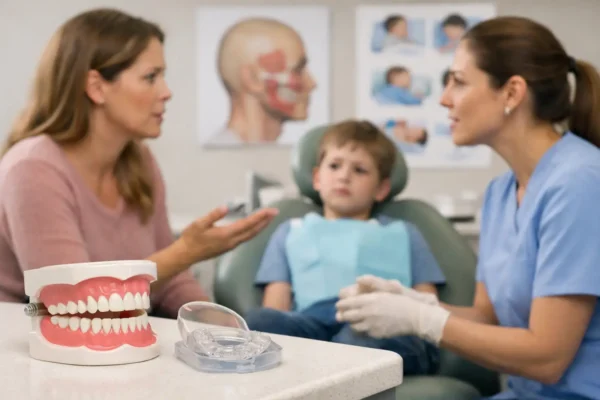
No parent likes hearing a scraping or clicking sound coming from their child’s room after bedtime. This child teeth grinding guide can help you understand what may be happening, what you can do at home, and when it is time to ask a pediatric dentist for guidance. Teeth grinding is common in childhood, and while it deserves attention, it does not always mean something is seriously wrong.
Children may grind their teeth while asleep, during quiet concentration, or when they are feeling stressed. The dental term for this habit is bruxism. Because a child’s mouth, bite, and sleep patterns change quickly as they grow, the right response depends on the child, the symptoms, and what the dentist sees during an exam.
Why Do Children Grind Their Teeth?
Teeth grinding rarely has one simple cause. In many younger children, it can be part of normal development as baby teeth come in, jaws grow, and the way the teeth meet changes. Some children grow out of it without treatment.
Grinding can also be connected to an uncomfortable bite, a loose tooth, or the transition from baby teeth to permanent teeth. A child may be trying, without realizing it, to find a more comfortable jaw position.
Stress and big feelings can play a role, too. Starting school, moving homes, changes in routines, social worries, or even excitement before a special event can show up in a child’s body. That does not mean teeth grinding is always caused by anxiety, but it is helpful to consider whether your child has had changes or worries lately.
Sleep deserves attention as well. Some children who snore, breathe through their mouths, have restless sleep, or seem unusually tired during the day may need a closer conversation with their pediatrician and pediatric dentist. Grinding alone does not diagnose a sleep concern, but it can be one detail in the larger picture.
Child Teeth Grinding Guide: What Parents May Notice
Nighttime grinding can be loud enough to hear from another room, but not every child makes noise. Some children clench their jaws quietly instead. Others grind mostly during the day, especially while doing homework, watching a screen, playing a game, or focusing on a task.
Watch for a pattern rather than trying to diagnose the habit from one night of sound. These signs are worth sharing with your child’s dentist:
- Teeth that look flatter, chipped, or more worn than before
- Complaints of jaw soreness, facial pain, or headaches, especially in the morning
- Sensitivity when eating cold, hot, or sweet foods
- Trouble chewing comfortably or a jaw that clicks, pops, or feels tired
- Poor sleep, frequent waking, loud snoring, or regular mouth breathing
A child may have none of these symptoms and still grind. On the other hand, jaw discomfort or headaches can have many causes besides grinding. A pediatric dental exam helps sort out what is most likely going on.
What You Can Do at Home
Begin with a calm approach. Avoid repeatedly telling your child to stop, especially if the grinding occurs during sleep. They are not doing it on purpose, and making it a source of worry can create more tension.
If you notice daytime clenching, gently help your child recognize when their jaw feels tight. You might use a simple reminder such as, “Let your teeth rest and let your jaw relax.” The teeth do not need to touch when the mouth is resting. For older children, a brief pause to relax the shoulders, take slow breaths, or sip water may interrupt the habit during stressful moments.
A predictable bedtime routine can be helpful for children who grind at night. Keep the last part of the evening calm, limit stimulating screen time when possible, and make room for connection. Reading together, talking about the next day, or listening to quiet music can help a child settle. These routines cannot guarantee that grinding will stop, but they support better sleep and give children a comforting way to wind down.
Continue brushing twice a day with fluoride toothpaste and help younger children brush thoroughly. Floss where teeth touch. Healthy teeth are better protected if grinding has caused minor wear or sensitivity. If your child reports discomfort, choose softer foods for a day or two and call the dental office for advice rather than guessing with treatment at home.
When to Call a Pediatric Dentist
Bring up teeth grinding at your child’s regular checkup, even if it seems mild. A pediatric dentist can look for wear patterns, evaluate how the teeth come together, check the jaw muscles, and monitor changes over time. Often, observation is the most appropriate plan.
Call sooner if your child has pain, broken teeth, significant sensitivity, trouble opening or closing the mouth, or headaches that keep returning. These symptoms do not automatically mean a major dental problem, but they should not be ignored.
It is also wise to speak up if sleep seems disrupted. Let the dentist know about snoring, pauses or gasping during sleep, restless nights, frequent waking, daytime sleepiness, or behavior changes that may be tied to poor rest. Your child’s dentist may recommend discussing these signs with their pediatrician or another qualified provider.
For families in Lakewood Ranch, Sarasota, Bradenton, and nearby communities, a pediatric dental visit offers a reassuring place to ask questions without making the experience frightening for your child. At Little Town Smiles, we take time to help parents understand what we see and help children feel safe during the process.
Will My Child Need a Night Guard?
Not necessarily. This is one area where treatment truly depends on the child. Many children with baby teeth do not need a night guard because their bite is still changing and the habit may be temporary. A guard that does not fit properly can be uncomfortable, interfere with normal growth, or create a new concern.
For some older children and teens, a custom appliance may be considered if there is substantial tooth wear, damage, or persistent pain. This decision should follow an exam and ongoing monitoring. Store-bought mouth guards are designed for a range of purposes, and they are not a good substitute for a custom recommendation from a dentist who knows your child’s developing mouth.
If grinding is related to a bite issue, addressing the bite may be part of the plan. If stress or sleep concerns appear to contribute, the best support may involve habits at home and coordination with your child’s medical team. Dentistry is only one part of caring for the whole child.
Help Your Child Feel Supported, Not Watched
Children often take their emotional cues from the adults around them. A matter-of-fact response can keep teeth grinding from becoming another bedtime worry. Try saying, “We noticed your teeth may be working hard while you sleep. Your dentist will check them and help us keep them healthy.”
That message is honest, reassuring, and easy for a child to understand. With regular preventive visits, careful monitoring, and a little patience, most families can move forward with confidence while protecting healthy teeth that last a lifetime.
Categories: Blog

Comments are closed.