


Fluoride Varnish Versus Gel for Children
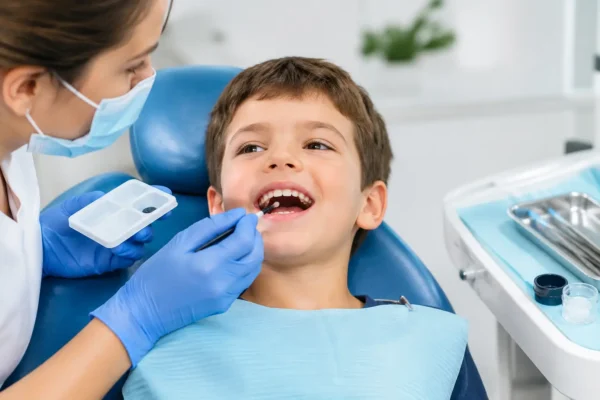
A quick coat of fluoride at a dental visit may look simple, but it is a meaningful step in protecting a child’s smile. When parents ask about fluoride varnish versus gel, they are usually asking an even bigger question: Which option is safest, most comfortable, and most helpful for my child? The answer depends on your child’s age, cavity risk, ability to spit, and dental needs.
At a pediatric dental visit, fluoride is never meant to replace brushing, flossing, healthy food choices, or regular checkups. It is one more preventive tool that can help strengthen enamel and give developing smiles extra support.
What professional fluoride treatment does
Fluoride is a natural mineral that helps tooth enamel resist the acid attacks that lead to cavities. Each day, bacteria in the mouth use sugars from food and drinks to create acids. Those acids can soften enamel, especially when snacks, juice, sports drinks, or sweetened medicines are frequent parts of the day.
Fluoride helps enamel become more resistant to this process. It can also support remineralization, which is the early repair of enamel that has begun to weaken. This is particularly valuable for children because newly erupted permanent teeth are still maturing and can be more vulnerable to decay.
A pediatric dentist may recommend professional fluoride based on factors such as a child’s history of cavities, visible early enamel changes, braces, dry mouth, frequent snacking, difficulty brushing well, or limited fluoride exposure at home. A child with no previous cavities may still benefit, but the frequency and type of treatment should be individualized.
Fluoride varnish versus gel: the key differences
Both varnish and gel deliver fluoride directly to teeth, but the experience is quite different.
Fluoride varnish
Fluoride varnish is a concentrated fluoride treatment painted onto the teeth with a small brush. It sets quickly when it contacts saliva, leaving a thin, temporary coating. The appointment portion is usually very fast, which can make a real difference for toddlers, preschoolers, and children who are still learning to feel comfortable in the dental chair.
Because varnish adheres to the teeth, a child does not need to hold liquid in the mouth or spit it out. Very little material is used, and the coating remains in contact with the enamel after the visit. For these reasons, varnish is commonly used for infants and young children, as well as children with gag reflex concerns, sensory sensitivities, or difficulty expectorating reliably.
Parents may notice that teeth feel a little sticky or look slightly dull after varnish is applied. That is normal and temporary. The dental team will provide specific aftercare instructions, which commonly include choosing soft foods for the rest of the day and waiting until the recommended time to brush.
Fluoride gel
Fluoride gel is usually placed into soft trays that fit over the upper and lower teeth. The child bites gently on the trays for a short period, then spits out the gel. Some gels have a flavor that children like, but the sensation of trays in the mouth can be uncomfortable for others.
Gel can be an appropriate choice for older children and teens who can consistently avoid swallowing and can spit thoroughly when the treatment is finished. It may be used in certain clinical situations when a dentist believes it is the best option for a child’s needs.
The primary consideration with gel is cooperation and swallowing control. It involves a larger volume of material than varnish, so it is generally not the first choice for very young children. A child who becomes nervous, gags easily, or has trouble spitting may have a much easier experience with varnish.
Why varnish is often preferred for younger children
For many families, the biggest advantage of fluoride varnish is that it keeps prevention simple. There are no bulky trays to manage, no need for a young child to swish or spit on cue, and no long wait with material in the mouth. The treatment can often be completed while a child watches, talks, or takes a short break between other parts of the visit.
Varnish also fits well with the goals of pediatric dentistry: providing effective care while building a trusting relationship with the child. A positive, low-pressure preventive visit can help a child learn that the dental office is a safe place. That confidence matters just as much as the treatment itself.
This does not mean gel is outdated or inappropriate. Older children with a higher risk of decay, especially those who tolerate trays well, may be good candidates. The best option is not determined by one rule. It is selected with the child’s comfort, safety, and cavity risk in mind.
Is professional fluoride safe?
Professional fluoride treatments have a long history of use in children’s dentistry. When selected and applied by a dental professional, they use a controlled amount of fluoride designed for the child’s age and circumstances.
Parents sometimes worry about fluoride because children may swallow toothpaste or other products at home. That is understandable. Professional treatment is different from unsupervised use because the dentist chooses the appropriate product, amount, and application method. Varnish, in particular, uses a small quantity that stays on teeth rather than pooling in the mouth.
The best approach is thoughtful prevention, not a one-size-fits-all routine. Share any concerns about your child’s drinking water, toothpaste habits, supplements, medical history, or prior fluoride exposure. Your child’s dental team can explain whether professional fluoride is recommended and how often it may be helpful.
What happens after treatment?
After fluoride varnish, children can usually return to school, play, and their normal day right away. They may be asked to avoid crunchy, sticky, or very hot foods for a few hours so the varnish can stay in place. Brushing may be delayed until bedtime or the following morning, depending on the product used and the instructions from the dental office.
After fluoride gel, children are generally asked not to eat, drink, or rinse for a short time. Since instructions can vary by product, follow the guidance provided at the appointment rather than relying on a general rule from a previous visit.
If your child dislikes the taste or texture of either treatment, tell the team. Small adjustments in pacing, positioning, language, or flavor can make future preventive visits feel much easier. At Little Town Smiles, helping children feel heard and successful is part of caring for their oral health.
Fluoride works best as part of a daily routine
A fluoride treatment is helpful, but it cannot cancel out frequent sugar exposure or rushed brushing. The strongest cavity-prevention plan is built from small, repeatable habits at home.
For younger children, parents should help brush twice a day using a rice-sized smear of fluoride toothpaste for children under age 3, then a pea-sized amount from ages 3 through 6. Once children can reliably spit, they should still be encouraged not to rinse away all the toothpaste after brushing. Older children often need reminders and occasional supervision too, especially around braces, crowded teeth, and bedtime brushing.
Water is the kindest drink for teeth between meals. Keeping sweet drinks and sticky snacks to mealtimes when possible gives enamel more time to recover. Regular preventive visits allow the dentist to spot early changes before they become painful cavities or more complicated treatment needs.
Every child deserves a prevention plan that feels manageable, not overwhelming. If you are unsure whether varnish or gel is right for your child, bring that question to the next visit. A calm conversation and a child-centered approach can turn a small fluoride treatment into another great step toward healthy teeth that last a lifetime.
Categories: Blog

Comments are closed.