


A Parent’s Guide to Baby Tooth Eruption Timeline
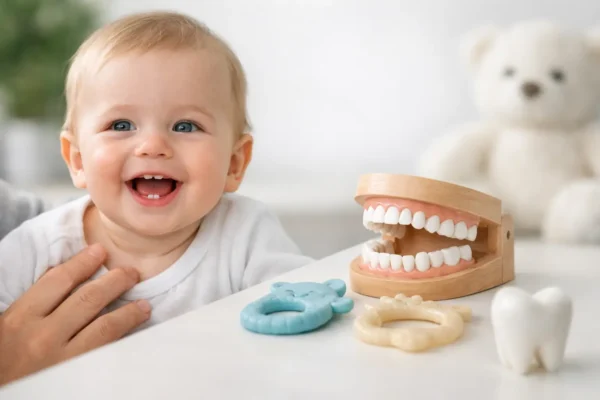
That first tiny tooth can feel like a major family milestone – and it often arrives after several restless nights, extra drool, and a baby who wants to chew on everything in reach. This guide to baby tooth eruption can help you recognize what is typical, comfort your child safely, and start caring for new teeth from day one.
Every child has a different schedule. Some babies show their first tooth at 4 months, while others may not have one until closer to their first birthday. A later or earlier start is usually not a sign that anything is wrong. What matters most is your child’s overall health, comfort, and steady growth.
A Guide to Baby Tooth Eruption: The Usual Timeline
Most babies begin teething between 6 and 10 months old. The two lower front teeth, called the lower central incisors, are often the first to appear. The upper front teeth commonly follow, giving your little one that memorable new smile.
From there, teeth usually arrive in pairs, though not always perfectly at the same time. The teeth beside the front teeth often appear next, followed by the first molars, canines, and second molars. By about age 3, most children have all 20 primary teeth.
Here is the general order many parents see:
- Lower central incisors: about 6 to 10 months
- Upper central incisors: about 8 to 12 months
- Upper and lower side front teeth: about 9 to 16 months
- First molars: about 13 to 19 months
- Canines: about 16 to 23 months
- Second molars: about 23 to 33 months
These ages are broad ranges, not deadlines. Genetics can play a role, and siblings may even have very different teething timelines. Teeth may also look as if they are coming in crooked or have gaps at first. As the jaw grows and more teeth emerge, their positions often change.
What Teething Usually Feels Like
A tooth pushes through the gum slowly, which can make the area tender for several days. Your baby may drool more, chew on fingers or toys, rub their face, seem fussier than usual, or have a temporary change in sleep or appetite. The gums may look swollen, and you might see a small white point just before the tooth comes through.
Teething can be uncomfortable, but it should not make a child seriously ill. A mild rise in temperature may happen around the same time, yet a true fever of 100.4 F or higher, repeated vomiting, significant diarrhea, a widespread rash, or unusual sleepiness deserves a call to your child’s pediatrician. Babies can catch common illnesses during teething months, and it is wise not to assume every symptom is caused by a new tooth.
Occasionally, a soft blue or purple bubble appears over an erupting tooth. This is often called an eruption cyst. It commonly resolves on its own as the tooth comes in, but a pediatric dentist can check it if it seems painful, enlarges, or does not improve.
Safe Ways to Soothe Sore Gums
Simple comfort measures are usually the most effective. Offer a clean, chilled teething ring that has been cooled in the refrigerator, not frozen. A clean, damp washcloth chilled in the refrigerator can also feel soothing to gums. Gentle pressure from a clean finger may help, too.
Choose a teether made for babies and inspect it often for damage. Avoid freezing teethers solid, since very hard frozen items can hurt sensitive gums. Also skip amber necklaces, bracelets, and other jewelry marketed for teething. These products can create choking and strangulation risks.
Teething gels and tablets may seem convenient, but many are not recommended for infants and young children. Products containing benzocaine or lidocaine can be unsafe when swallowed, and homeopathic teething tablets may contain ingredients that are not appropriate for babies. If your child seems especially uncomfortable, ask your pediatrician or pediatric dentist what is suitable for their age and health history before using medicine.
Clean New Teeth From the Start
Once a tooth appears, it can develop a cavity. Baby teeth have thinner enamel than adult teeth, so decay can progress quickly. Starting a gentle routine early helps protect your child’s smile and makes brushing feel like an ordinary part of the day.
Before teeth arrive, wipe your baby’s gums with a clean, soft cloth after feedings and before bedtime. Once the first tooth erupts, brush twice daily with a soft, age-appropriate toothbrush and a tiny smear of fluoride toothpaste, about the size of a grain of rice. Use only enough to lightly coat the bristles.
At age 3, use a pea-sized amount of fluoride toothpaste. Keep helping with brushing until your child has the hand skills to do a thorough job alone, which is often closer to ages 6 to 8. Young children may want independence, and that enthusiasm is wonderful, but an adult finishing brush makes a meaningful difference.
Nighttime deserves extra attention. Milk, formula, juice, and other sweet drinks can leave sugars on teeth for hours when a child falls asleep. If your baby needs a bottle at bedtime, water is the tooth-friendly choice after brushing. Avoid dipping pacifiers in sweet substances as well.
Why Baby Teeth Need Protection
Primary teeth do much more than create a sweet smile in photographs. They help children chew, learn clear speech, and hold space for permanent teeth developing beneath the gums. When a baby tooth is lost too early because of decay or injury, nearby teeth can shift and create crowding concerns later.
Keeping baby teeth healthy also helps children feel comfortable eating, sleeping, and smiling. Early positive dental experiences can build a trusting relationship with oral care rather than allowing dental visits to become associated with pain or fear.
A first dental visit is generally recommended by your child’s first birthday or within six months of the first tooth erupting, whichever comes first. This visit is often brief and focused on education, prevention, and helping your child become familiar with the dental office. At Little Town Smiles, our goal is to give children and parents a great start through age-appropriate care, clear guidance, and a calm, welcoming experience.
When to Call a Pediatric Dentist
Most teething questions can wait for a regular visit, but some situations deserve earlier guidance. Call a pediatric dentist if your child has not developed any teeth by about 18 months, if a tooth appears damaged or discolored, or if you notice swelling, drainage, persistent bleeding, or a mouth sore that does not heal.
It is also helpful to ask about a tooth that seems to erupt far behind the others, a large bump over the gums, or pain that keeps your child from eating or sleeping. A fall or blow to the mouth should be evaluated, especially if a tooth becomes loose, pushed inward, or changes color afterward.
If a baby is born with a tooth or develops one in the first few weeks of life, call a pediatric dentist. These early teeth are not always a problem, but they should be checked for stability and for any irritation they may cause to your baby’s tongue or a nursing parent.
Make Teething Part of a Healthy Routine
Teething is a season, not a test you have to pass perfectly. Keep a few safe comfort items nearby, brush new teeth gently twice a day, and let your child see that oral care is a calm, normal part of family life. With patient guidance and regular preventive visits, those first small teeth can become the foundation for healthy smiles that last a lifetime.
Categories: Blog

Comments are closed.