


How to Choose Kids Toothpaste With Confidence
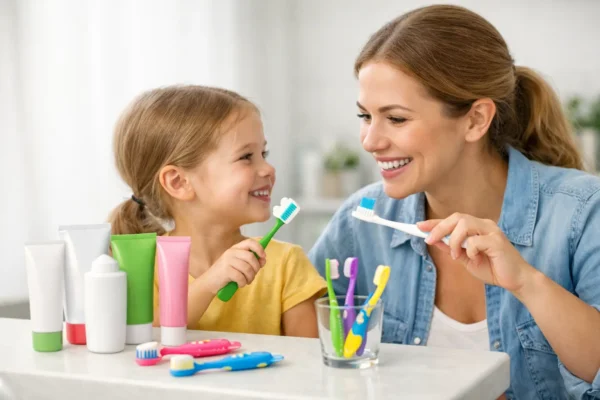
A toothpaste tube can become a surprisingly big decision when your child is standing on a bathroom stool, asking for the one with their favorite character. Knowing how to choose kids toothpaste helps you look beyond the packaging and focus on what will protect their teeth while making twice-daily brushing a habit they can feel good about.
For most families, the best choice is not the fanciest tube or the strongest flavor. It is a fluoride toothpaste your child will willingly use, in the right amount for their age, with adult help when needed. A few simple guidelines can make the toothpaste aisle much less confusing.
Start With Fluoride Protection
Fluoride is a naturally occurring mineral that strengthens tooth enamel, the protective outer layer of teeth. Every day, teeth are exposed to acids from food, drinks, and the bacteria that cause cavities. Fluoride helps enamel repair early weak spots and makes teeth more resistant to future decay.
For children, fluoride toothpaste is generally the recommended choice from the time the first tooth appears. Young children can develop cavities quickly, including in baby teeth. Those teeth matter: They help children chew, speak clearly, smile confidently, and hold space for permanent teeth to come in properly.
Look for a toothpaste containing fluoride and carrying the American Dental Association Seal of Acceptance. That seal can offer helpful reassurance that a product has been evaluated for safety and effectiveness when used as directed.
Some parents worry about fluoride because young children may swallow toothpaste. That concern is understandable, which is why the amount used matters so much. With the right small amount and adult supervision, fluoride toothpaste is an effective part of cavity prevention.
How to Choose Kids Toothpaste by Age
Your child’s age, ability to spit, and cavity risk all play a role in choosing toothpaste and deciding how much to use. The toothpaste itself may look similar from one stage to the next, but the amount on the brush should change as your child grows.
Babies and toddlers with their first teeth
As soon as the first tooth comes in, begin brushing twice a day with a soft, child-sized toothbrush and a tiny smear of fluoride toothpaste. Think of an amount about the size of a grain of rice. At this age, children cannot reliably spit, so a parent or caregiver should do the brushing.
Use a gentle touch and a calm routine. A simple song, a favorite stuffed animal nearby, or letting your child hold a second toothbrush can make the experience more comfortable. The goal is not perfect cooperation every night. It is building familiarity and trust around brushing.
Preschoolers ages 3 to 6
Once your child reaches age 3, use a pea-sized amount of fluoride toothpaste. Continue to help with brushing and encourage them to spit out the toothpaste rather than swallow it. Many preschoolers enjoy doing it themselves, but they still need an adult to finish the job, especially along the gumline and on back teeth.
If a strong mint flavor leads to protests, try a mild fruit or bubblegum flavor that your child likes. A toothpaste only works if brushing happens consistently. Flavor can be a practical tool for making the routine more pleasant, not a shortcut around good technique.
School-age children and teens
Older children can usually brush independently, but it is wise to check in. A pea-sized amount of fluoride toothpaste remains appropriate. Encourage brushing for two minutes, twice daily, and make sure they reach the chewing surfaces of molars, where cavities often begin.
Teens may prefer a standard fluoride toothpaste instead of a product marketed for younger children. That is usually fine if they enjoy the flavor and use it correctly. For teens with braces, frequent cavities, dry mouth, or a history of tooth decay, a pediatric dentist may recommend a specific fluoride product or routine.
Choose a Flavor Your Child Can Tolerate
The “best” flavor is the one that helps your child brush without tears, gagging, or daily negotiations. Mild mint, fruit, and bubblegum varieties can all be reasonable choices when they contain fluoride and have the ADA Seal of Acceptance.
There can be a trade-off, though. A very sweet taste may tempt a young child to eat toothpaste. Keep the tube out of reach, supervise brushing, and teach your child that toothpaste is for cleaning teeth, not a treat. If they swallow more than the small recommended amount, contact your pediatric dentist or poison control center for guidance.
Avoid turning flavor into a battle. Children’s preferences can change quickly. If one option is not working, trying another kid-friendly fluoride toothpaste is often easier than making every brushing session feel stressful.
Skip the Extras Your Child Does Not Need
The toothpaste aisle includes whitening formulas, charcoal products, sensitivity claims, stain removers, and adult-strength flavors. Most young children do not need these extras.
Whitening toothpaste can be abrasive and is not designed to address the natural color variations in developing teeth. Children’s permanent teeth often look slightly darker or more yellow than baby teeth because they have different enamel and dentin. That difference is usually normal and does not mean their teeth need whitening treatment.
Charcoal toothpaste may look fun or trendy, but it is not a first choice for children. Its benefits are uncertain, and some products can be abrasive. A simple fluoride toothpaste is the more reliable everyday option for protecting growing smiles.
If your child says a tooth hurts with cold foods, has white or brown spots on their teeth, or seems to get cavities despite regular brushing, do not rely on a sensitivity or repair claim on the tube. Those concerns deserve a conversation with a pediatric dental team.
A Few Safety Habits Matter as Much as the Tube
Toothpaste supports brushing, but it cannot do the brushing for your child. For younger children, an adult should place the toothpaste on the brush, guide the routine, and store the tube safely afterward. Children often need hands-on help until they have the coordination to write neatly in cursive or tie their own shoes well, which can be around ages 6 to 8 or later.
Use a soft-bristled toothbrush and replace it about every three months, or sooner if the bristles look frayed. Brush gently in small circles along the teeth and gumline for two minutes in the morning and before bed. Once teeth touch side by side, flossing should become part of the routine too.
It also helps to keep expectations realistic. A child who resists brushing may be reacting to the taste, foam, texture, timing, or loss of control. Offer two acceptable choices, such as choosing between two fluoride toothpaste flavors or selecting the brushing song. Small choices can help children feel involved without changing the healthy habit.
When Your Child May Need Personalized Guidance
Some children have a higher risk of cavities because of frequent snacking, sipping sweet drinks, enamel differences, orthodontic appliances, certain medications, or a past history of decay. In these cases, toothpaste choice is still important, but it is only one piece of prevention.
Your pediatric dentist can consider your child’s age, diet, medical history, tooth development, and brushing habits when recommending fluoride care. At Little Town Smiles, our team helps families build routines that are practical at home and supportive of healthy teeth that last a lifetime.
The right toothpaste does not need to make brushing perfect from day one. Choose a fluoride option your child can use comfortably, use the correct amount, and stay close by as they learn. Those quiet, repeated moments at the sink are where confident smiles and lifelong habits begin.
Categories: Blog

Comments are closed.