


Pediatric Dentistry Benefits for Growing Smiles
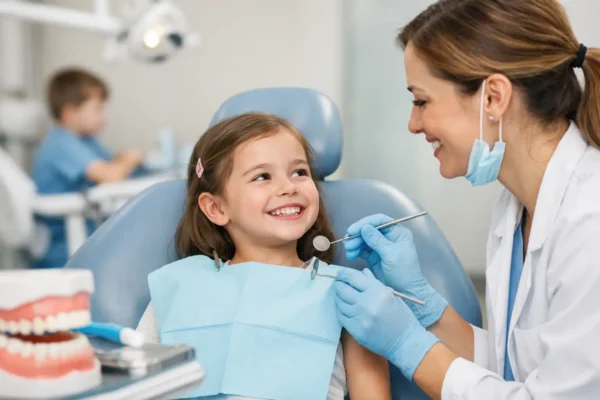
A child’s first dental experiences can shape how they feel about caring for their teeth for years to come. The pediatric dentistry benefits of starting early go far beyond checking for cavities. Thoughtful, age-appropriate care helps children feel safe, gives parents clear guidance, and creates daily habits that support healthy smiles as children grow.
For many families, the biggest benefit is peace of mind. You do not have to wait until a child has tooth pain, a broken tooth, or visible decay to seek dental care. A pediatric dentist can help you understand what is normal, what needs attention, and what simple steps can protect your child’s smile at home.
Pediatric Dentistry Benefits Begin With Prevention
Children’s teeth are constantly changing. Babies may be teething, toddlers may be learning to brush, school-age children may be more independent with snacks and hygiene, and teens may be managing orthodontic care, sports, or wisdom tooth concerns. Pediatric dental care is designed around these changing needs.
Regular visits give the dental team a chance to monitor tooth development, jaw growth, bite changes, and gum health over time. Small concerns are often easier to address when they are noticed early. For example, a small cavity may be treated before it becomes painful, and a developing bite concern can be watched closely before a family needs to consider treatment.
Preventive visits also typically include a professional cleaning, an age-appropriate exam, and practical education for both children and parents. Depending on your child’s needs, the dentist may recommend fluoride treatment or dental sealants. Fluoride helps strengthen tooth enamel, while sealants create a protective barrier over the deep grooves of back teeth, where brushing can be difficult.
Prevention does not guarantee that a child will never need treatment. Diet, enamel strength, brushing habits, medications, and genetics can all play a role in oral health. Still, consistent preventive care gives families the best opportunity to catch concerns early and reduce the likelihood of more extensive treatment later.
A Child-Centered Setting Builds Trust
A dental office can feel unfamiliar to a young child. Bright lights, new sounds, and strange instruments may cause worry, especially at a first visit. Pediatric dental specialists and their teams are trained to communicate in ways children can understand. That includes explaining what will happen in simple language, moving at a child’s pace when possible, and celebrating small successes.
This approach is not about pretending dental care is never challenging. Some children need time to warm up, and some procedures require patience and extra support. The goal is to build a trusting relationship so a child learns that the dental office is a place where caring adults help them feel better and keep their smile healthy.
A kid-friendly environment can make a meaningful difference, too. When children see that an office was created with them in mind, they are more likely to feel comfortable asking questions and participating in their own care. Over time, a familiar routine can turn dental visits from an unknown experience into a normal part of growing up.
Specialized Care for Each Stage of Childhood
Pediatric dentistry is not simply adult dentistry in a smaller chair. Children have developing teeth, jaws, behavior, and emotional needs. A board-certified pediatric dentist has advanced training focused on caring for infants, children, and adolescents, including children who are anxious or have additional healthcare needs.
For infants, appointments may focus on the first teeth, teething questions, feeding habits, and ways to prevent early childhood cavities. Parents can learn how to clean emerging teeth, when to introduce toothpaste, and why frequent sipping on sugary drinks can affect tooth health.
For toddlers and preschoolers, the focus often shifts toward helping families establish reliable brushing and flossing routines. Young children need hands-on help with brushing longer than many parents expect. A child may be eager to do it independently, but an adult should still take a turn to make sure all surfaces are cleaned well.
School-age children begin making more of their own choices about snacks, drinks, and hygiene. This is a good time to reinforce why water, balanced meals, and consistent brushing matter. It is also a common age for sealants, early orthodontic monitoring, and sports mouthguards.
Teenagers benefit from continued care even when they seem fully capable of managing their own routines. Busy schedules, braces, energy drinks, sports, and increased independence can all affect oral health. Regular visits offer a judgment-free opportunity to discuss habits and protect a smile during an important stage of development.
Parents Get Practical Guidance, Not Guesswork
Children do not come with a one-size-fits-all oral health routine. Parents may have questions about thumb sucking, pacifiers, delayed tooth eruption, grinding, bad breath, flossing, or whether a wiggly baby tooth is ready to come out. Pediatric dental visits create space for those questions.
A caring dental team should treat parents as partners. You know your child’s personality, routines, and concerns best. The dental team brings clinical experience and can offer recommendations that fit your child’s age and oral health needs.
For example, advice about snacks is most helpful when it is realistic. Families do not need perfection to protect their children’s teeth. What often matters most is how frequently teeth are exposed to sugar and acids throughout the day. Choosing water between meals, limiting sticky or sugary snacks, and encouraging brushing twice a day can make a real difference without making family life feel restrictive.
Clear guidance is particularly valuable after a dental injury. Children are active, and falls or sports accidents happen. Knowing whom to call and having an established dental home can reduce stress when a tooth is chipped, loose, or knocked out.
Early Visits Can Reduce Fear Around Future Treatment
When a child only visits the dentist after pain starts, the appointment may feel urgent and frightening. Early, routine visits help children become familiar with the people, setting, and process before a problem occurs. That familiarity can make future care feel less overwhelming.
There is no promise that every child will love every dental visit. Children have difficult days, and some need more reassurance than others. A positive pediatric dental experience means the team listens, adapts, and helps a child feel respected, even when the appointment is not easy.
Gentle, consistent care also teaches children that taking care of their bodies is worthwhile. They begin to understand that brushing, flossing, eating well, and coming in for checkups are not punishments. They are ways to keep doing the things they enjoy, from smiling in school photos to eating comfortably and playing confidently.
Choosing a Dental Home That Grows With Your Child
A dental home is a place your family can return to for preventive visits, questions, treatment, and support through each stage of childhood. Consistency allows the dentist and team to get to know your child’s oral health history, comfort level, and individual needs.
When choosing a pediatric practice, parents may want to consider specialized credentials, communication style, the office environment, and whether the team makes time for education. Convenience matters, but so does finding a place where your child feels seen and where you feel comfortable asking questions.
At Little Town Smiles, families in Lakewood Ranch and nearby communities can find child-centered care led by a board-certified pediatric specialist. The focus is on helping every child get a great start, whether they are visiting for their first checkup or continuing care through adolescence.
Healthy habits are built one small moment at a time: a parent helping with bedtime brushing, a child choosing water after a snack, or a calm checkup where a new patient leaves feeling proud. Those moments can help protect healthy teeth that last a lifetime.
Categories: Blog

Comments are closed.