


How to Teach Children Toothpaste Spitting
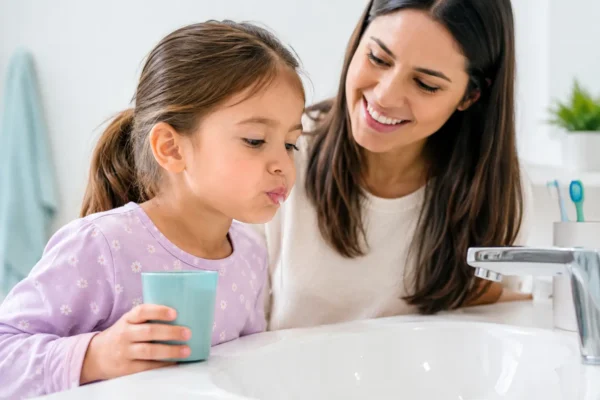
A child who proudly spits into the sink for the first time may feel like they have learned a very grown-up skill. For parents, figuring out how to teach children toothpaste spitting can feel less simple, especially when a child still wants to swallow the foam, rinse repeatedly, or turn brushing into a splash-filled game. The good news is that spitting is a learned skill, and there is no need to rush it.
Children develop at different speeds. With a little practice, a calm routine, and the right amount of fluoride toothpaste, most children can build confidence without making brushing stressful. The goal is not a perfect sink performance. It is helping your child protect their teeth while feeling safe and successful.
When do children learn to spit toothpaste?
Many children begin to understand the idea of spitting somewhere between ages 2 and 4, although coordination and readiness vary. Some preschoolers catch on quickly after watching a parent or older sibling. Others need more time, and that is completely normal.
Before a child can reliably spit, they may swallow some toothpaste during brushing. That is why the amount of toothpaste matters more than the ability to spit in the early years. For children younger than 3, use only a tiny smear of fluoride toothpaste, about the size of a grain of rice. For children ages 3 through 6, use a pea-sized amount. An adult should place the toothpaste on the brush and supervise brushing.
If your child is not ready to spit, do not hold off on brushing or make them feel as though they are doing something wrong. Small, age-appropriate amounts of fluoride toothpaste are designed to support safe daily brushing when used as directed. Your pediatric dentist can offer personalized guidance if your child has a higher cavity risk or a health condition that affects their oral care.
How to teach children toothpaste spitting without pressure
Spitting is easier to learn when it is introduced as play rather than a test. Start outside of toothbrushing time, when there is less toothpaste foam and less pressure to finish the bedtime routine.
Begin with plain water
Have your child take a tiny sip of water, lean over the sink, and let it fall out of their mouth. You can use cheerful, simple language: “Water goes out, not down.” Demonstrate first so they can see the motion. A child may initially open their mouth and let water dribble out, which is a perfectly useful first step.
Keep practice brief. Two or three tries are enough. When your child succeeds, offer specific praise such as, “You leaned over the sink and let the water out. Great job!” Specific encouragement helps children understand what they did well and makes them more likely to try again.
Make the sink less intimidating
A tall counter, a deep sink, or a noisy faucet can make this skill feel awkward. Use a stable step stool so your child can see themselves in the mirror and reach the sink comfortably. A small cup can also help them feel more in control.
Some children dislike the sound of water or worry about splashing. Keep the faucet off during early practice if that helps. You can turn it into a gentle routine: brush, lean, spit, then wipe the mouth and hands together. Comfort matters more than speed.
Practice the movement before adding toothpaste
Once your child can release water into the sink, explain that toothpaste works the same way. After brushing, they can lean forward, open their mouth slightly, and gently push the toothpaste out with their tongue and cheeks.
Avoid telling children to forcefully “blow” or “push hard.” That can lead to coughing, splattering, or swallowing. A relaxed lean over the sink is usually all they need. If they only spit a little at first, that still counts as progress.
Use simple, consistent words
Young children respond best to short directions they hear the same way each day. Try a phrase such as, “Brush, spit, all done,” or “Lean, spit, smile.” Too many instructions can be confusing when a child is already focused on the sensation of brushing.
For children who enjoy pretend play, you might say the sink is “waiting for the toothpaste bubbles.” Keep the game gentle and brief. The routine should support brushing, not distract from it.
Why children should not rinse after brushing
Once your child learns to spit, it can be tempting to hand them a cup of water for a big rinse. But rinsing right after brushing can wash away fluoride that continues protecting the teeth.
For most children, the best routine is to brush for two minutes, spit out the excess toothpaste, and skip the water rinse. They may still have a light toothpaste taste in their mouth, but this is normal. Using the recommended small amount of toothpaste keeps the remaining amount minimal.
It depends, however, on your child’s age and tolerance. A child who is gagging, coughing, or strongly distressed may need a pause, a milder toothpaste flavor, or a conversation with their pediatric dentist. A positive daily habit is more valuable than insisting on one exact technique before a child is ready.
Common setbacks and what they mean
A child may learn to spit one day and swallow toothpaste the next. This does not mean they have forgotten the skill. Children are often tired at bedtime, distracted by a new environment, or simply more interested in the flavor of their toothpaste.
If your child keeps swallowing, return to a tiny smear or the recommended pea-sized amount for their age and continue practicing with water separately. Keep toothpaste stored out of reach, since flavored products can look and taste like a treat.
If a child swallows a larger amount of toothpaste, stay calm and remove any remaining toothpaste from their mouth. Contact Poison Control at 1-800-222-1222 for immediate advice, particularly if your child has swallowed more than a brushing amount or develops symptoms such as nausea, vomiting, or stomach pain.
Frequent gagging is another concern parents sometimes notice. It may be caused by brushing too far back on the tongue, too much toothpaste, a large toothbrush head, or a strong flavor. A soft, child-sized toothbrush and a smaller amount of toothpaste can make a meaningful difference.
Building a brushing routine that lasts
Spitting is only one part of healthy brushing. Children generally need hands-on adult help until they have the coordination to brush thoroughly on their own, often around age 7 or 8. Even when a child wants independence, a helpful approach is to let them brush first and have an adult finish the job.
Morning and bedtime brushing should feel predictable, not like a nightly negotiation. Let your child choose between two approved toothbrush colors, play a favorite two-minute song, or use a visual routine near the sink. These small choices give children ownership while parents maintain the healthy structure.
Try not to use fear as motivation. Phrases about cavities, drills, or “bad teeth” can make dental care feel scary. Instead, talk about brushing as something that helps teeth stay strong for smiling, talking, and enjoying favorite foods. Children are more likely to cooperate when they understand that their body deserves kind care.
When to ask your pediatric dentist
Ask your pediatric dentist for help if your child regularly eats toothpaste, cannot tolerate brushing, has frequent cavities, or continues to struggle with spitting well past the preschool years. A pediatric dental team can demonstrate techniques in a child-friendly way and help identify whether flavor, sensory needs, oral development, or routine challenges are getting in the way.
At Little Town Smiles, we believe every small success at the sink can build a child’s confidence for future dental visits and healthier habits at home. Celebrate the little dribbles, the first careful lean over the sink, and the proud smile afterward. With patient practice, your child can learn that caring for their teeth is simply another skill they are capable of growing into.
Categories: Blog

Comments are closed.