


How to Handle Chipped Teeth in Kids Safely
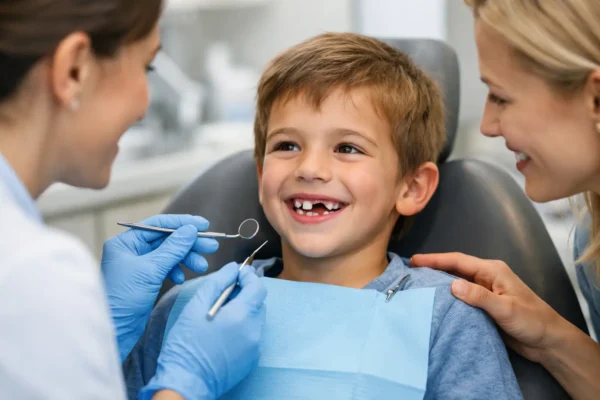
A chipped tooth can happen in a split second: a tumble from a scooter, a collision on the playground, or an enthusiastic bite into something harder than expected. Knowing how to handle chipped teeth can help you stay calm, relieve your child’s discomfort, and get the right care without making a scary moment feel bigger than it needs to be.
Most tooth chips in children are treatable, and many are not painful. Still, a prompt call to a pediatric dentist is the best next step. Even a tiny rough edge can irritate your child’s tongue, and a chip that looks small may extend deeper into the tooth than you can see.
How to Handle Chipped Teeth Right Away
Start by taking a breath and reassuring your child. Your calm voice matters. Let them know that they are safe, that you are going to help, and that their dentist knows how to care for teeth that have been bumped or broken.
Gently rinse your child’s mouth with cool water to clear away blood, dirt, or tiny tooth fragments. If there is bleeding from the lip, cheek, or gums, place clean gauze or a clean, damp washcloth over the area and apply light, steady pressure. A cold compress against the outside of the cheek can help reduce swelling and soreness.
If you can find the broken piece of tooth, save it. Place it in a clean container with milk or your child’s saliva and bring it to the dental visit. In some cases, especially with a permanent tooth, the piece may be useful to the dentist. Do not scrub the fragment or try to glue it back onto the tooth yourself.
Until your child is seen, offer soft foods and avoid anything crunchy, sticky, very hot, or very cold. If the tooth is sensitive, have your child chew on the other side of the mouth. An age-appropriate over-the-counter pain reliever may help if needed, but follow the package directions and your child’s pediatrician’s guidance. Do not place aspirin directly on the gum or tooth.
Call your child’s pediatric dentist as soon as you can, even if your child says the tooth does not hurt. Share when the injury happened, how it happened, whether the tooth is a baby tooth or permanent tooth, and whether you see bleeding, swelling, or a change in tooth color.
When a Chipped Tooth Needs Urgent Care
A small chip on the edge of a tooth may be more of a comfort and appearance concern than an emergency. However, certain symptoms need more urgent attention. Call your pediatric dentist promptly if your child has significant pain, a sharp or jagged edge, a large piece missing, bleeding that does not stop, or a tooth that looks loose, pushed backward, forward, or sideways.
You may notice a pink or red spot in the center of the broken tooth. This can mean the inner pulp of the tooth is exposed. The pulp contains nerves and blood vessels, so this type of injury should be evaluated quickly to protect the tooth and prevent infection.
Seek emergency medical care if the dental injury came with a loss of consciousness, vomiting, severe headache, confusion, trouble breathing, a possible jaw fracture, or a deep facial cut. Dental injuries can occur alongside head injuries, particularly after a hard fall or sports collision.
A knocked-out permanent tooth is also a true dental emergency. If it is safe to do so, gently pick up the tooth by the crown, which is the chewing surface, not the root. Rinse it briefly if it is dirty, keep it moist in milk, and contact a dentist immediately. Never try to put a knocked-out baby tooth back in place, as this can harm the developing permanent tooth beneath it.
What Your Child’s Dentist May Do
The right treatment depends on the depth of the chip, the child’s age, the tooth involved, and whether the tooth’s nerve has been affected. Your child’s dentist will examine the tooth, surrounding gums, bite, and nearby teeth. An X-ray may be recommended if there is concern about injury below the gumline or to the tooth root.
For a very small chip, the dentist may simply smooth or polish the rough edge. This can make a big difference for a child whose tongue keeps catching on the tooth. If a larger portion is missing, tooth-colored bonding material can often restore the tooth’s shape and protect it from further wear.
A deeper fracture may need more involved treatment to protect the tooth’s pulp. The dentist will explain the options in clear, family-friendly terms and help you understand what is best for your child’s developing smile. Sometimes monitoring is appropriate, while other injuries need treatment sooner to preserve comfort and oral health.
Baby Teeth Still Deserve Prompt Attention
It is easy to assume a chipped baby tooth is not a concern because it will eventually fall out. But baby teeth help children bite, chew, speak clearly, and hold space for adult teeth. They also affect how comfortable your child feels when smiling, talking, and eating.
An injured baby tooth can become sensitive or infected if the chip reaches the inner part of the tooth. Trauma can also affect the permanent tooth developing underneath. A pediatric dentist can check for concerns that may not be visible at home and recommend a plan that supports your child’s health now and as their smile grows.
Help Your Child Feel Safe About the Visit
Children often take cues from the adults around them. Try to keep explanations simple and honest: “Your dentist is going to look at your tooth and help make it feel better.” Avoid using frightening words or promising that nothing will happen, since the visit may involve an exam, X-rays, or treatment.
Let your child bring a favorite comfort item if that helps them feel secure. For younger children, practice slow breaths together while you wait. For older children and teens, it can help to explain that dental injuries are common, especially with sports and active play, and that getting care quickly is a strong, responsible choice.
At Little Town Smiles, a child-centered approach means taking the injury seriously while helping children feel heard, supported, and comfortable throughout their care. Building that trusting relationship after an unexpected accident can make future dental visits feel much easier, too.
Preventing Another Chipped Tooth
Not every accident can be prevented, but a few habits lower the risk. A properly fitted mouthguard is especially valuable for children and teens who play contact sports, ride skateboards, or participate in activities with a risk of falls. Avoid having children chew ice, hard candy, popcorn kernels, or non-food objects such as pencils and toy parts.
If your child grinds their teeth, has a bite concern, or has already had a tooth injury, mention it at their regular dental visit. Your pediatric dentist can look for patterns that may make teeth more vulnerable and offer practical guidance for protecting their smile.
A chipped tooth can feel alarming in the moment, but your child does not have to face it alone. A calm response, gentle first aid, and timely pediatric dental care can turn an unexpected accident into another step toward healthy teeth that last a lifetime.
Categories: Blog

Comments are closed.