


Are Fillings Painful for Kids? What Parents Can Expect
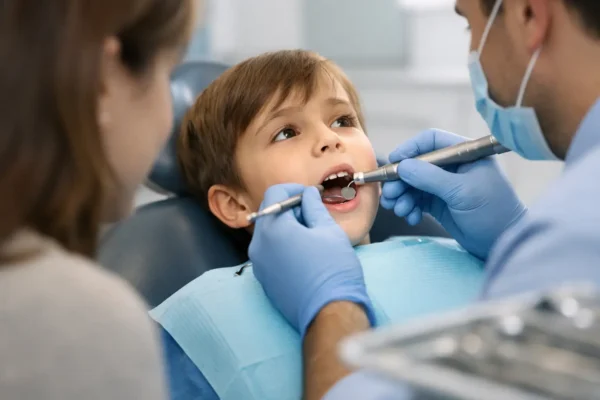
A child may hear the word “filling” and picture something scary before they even know what it means. Parents often have the same question: are fillings painful? The reassuring answer is that a filling should not hurt during treatment when the tooth is properly numbed. Your child may notice pressure, vibration, water, or unfamiliar sounds, but their dental team will work carefully to keep them comfortable at every step.
A cavity needs attention because it can grow deeper, cause a toothache, and sometimes lead to infection. Treating it with a filling early is usually simpler and more comfortable than waiting until a child is in pain.
Are Fillings Painful for Children During Treatment?
Most children do not feel pain while a filling is being placed. Before the dentist removes decay, the area around the tooth is numbed with local anesthetic. This medicine temporarily blocks the pain signals from the tooth and nearby gum tissue.
The part a child is most likely to notice is the numbing process itself. A pediatric dental team can make this easier by using a topical numbing gel first, explaining what will happen in kid-friendly language, and moving at a pace that helps the child feel secure. Some children feel a brief pinch or pressure when the anesthetic is given. Others barely notice it.
Once the tooth is numb, children may feel the gentle vibration of the dental handpiece, a little pressure, or water being sprayed and suctioned away. These sensations can feel strange, especially during a first filling, but they should not feel sharp or painful. Children are always encouraged to raise a hand if something feels uncomfortable so the dentist can pause and help.
Every child is different. A very young child, a child with dental anxiety, or a child who has had a painful toothache may need more time and reassurance than a child who feels relaxed in the dental chair. That is why age-specific care and compassionate communication matter just as much as the procedure itself.
What Happens When a Child Gets a Filling?
Knowing the steps ahead of time can make the appointment feel more manageable for both you and your child. The dentist will first examine the tooth and review whether a filling is the right treatment. X-rays may help show how deep the cavity is and whether the decay is close to the nerve inside the tooth.
At the filling visit, the dental team will help your child settle in. They may use simple, non-frightening words to describe the tools and demonstrate what a sound or sensation will be like. After the tooth is numb, the dentist removes the decayed portion of the tooth and cleans the area.
Then the filling material is placed to rebuild the missing part of the tooth. Tooth-colored fillings are commonly used for children because they blend naturally with the tooth. The dentist shapes and smooths the filling so your child can bite comfortably. For a small cavity, the visit may be relatively short. Larger or deeper cavities can take longer and may require more planning.
The goal is not simply to fix a hole in a tooth. It is to stop decay, protect the healthy tooth structure, and help your child keep using that tooth comfortably for eating, speaking, and smiling.
Will My Child Be Sore After a Filling?
It is common for a child’s lip, cheek, tongue, or gum to stay numb for a few hours after the appointment. This can feel funny, and younger children may be tempted to bite or chew the numb area. Parents should keep an eye on them until the numbness wears off and offer softer foods if needed.
Some children have mild sensitivity to cold, heat, or pressure for a day or two after a filling. The tooth and surrounding tissues have been treated, so a brief adjustment period can be normal. If your child’s bite feels uneven, they may tell you that the tooth feels “too tall” or that it bumps first when they close their mouth. A quick adjustment can usually fix that.
Call the dental office if pain is strong, swelling develops, your child has trouble sleeping because of the tooth, or discomfort continues instead of improving. These symptoms do not always mean something is wrong, but they deserve prompt guidance from the dental team.
Why Treating a Cavity Early Can Be Easier
A cavity does not heal on its own. In its earliest stage, your child’s dentist may sometimes recommend preventive steps such as fluoride treatment and closer monitoring. But once decay has created a true hole in the tooth, a filling is often needed.
Waiting can turn a small, straightforward filling into a more involved treatment. As decay moves closer to the nerve, a child may develop sensitivity or a toothache. A deeper cavity may require a larger restoration, treatment to protect the nerve, or a crown. In some cases, infection can make a child feel sick or cause facial swelling.
This is not meant to alarm parents. It is a reminder that early appointments are kind to kids. They give the dentist a chance to find concerns when treatment is often faster, more comfortable, and easier to explain.
Helping Your Child Feel Calm Before the Appointment
Parents play a powerful role in setting the tone. Try to keep your explanation simple and positive. You might say, “The dentist is going to clean the sugar bugs out of your tooth and make it strong again.” Let the dental team handle detailed explanations about instruments and numbing medicine.
Avoid promising that your child will not feel anything at all, since they may feel pressure or temporary numbness. Instead, reassure them that the dentist will help them stay comfortable and that they can tell the team how they are feeling. This builds trust without making a promise that could be hard to keep.
A few practical choices can also help. Schedule at a time when your child is usually rested, arrive with enough time to avoid rushing, and bring a familiar comfort item if the office allows it. After the visit, offer calm praise focused on effort: “You did a great job using your brave voice and listening.”
At Little Town Smiles, children are treated as active participants in their care. Taking time to build a trusting relationship can help a filling appointment feel like one manageable step toward a healthy smile, rather than something to fear.
When Anxiety May Need Extra Support
Some children need more than encouragement, and that is okay. A child with intense fear, sensory sensitivities, a strong gag reflex, extensive treatment needs, or a very young age may benefit from additional comfort options. The dentist can discuss choices based on your child’s health history, developmental needs, and the complexity of treatment.
These options are not one-size-fits-all. The safest and most helpful approach depends on the individual child. A board-certified pediatric dentist is specially trained to consider both dental needs and a child’s ability to cope with treatment, while keeping parents involved in the decision-making process.
A Filling Can Be a Positive Turning Point
For many children, getting a filling is not their favorite appointment, but it can become a confidence-building experience. They learn that a dental problem can be fixed, that adults will listen when they feel nervous, and that the dentist’s office is a safe place to ask questions.
When families address cavities early and approach treatment with calm, honest reassurance, children have a better chance to leave feeling proud of themselves. That confidence can support healthy dental habits and healthy teeth that last a lifetime.
Categories: Blog

Comments are closed.