


Developmental Dental Defects in Children
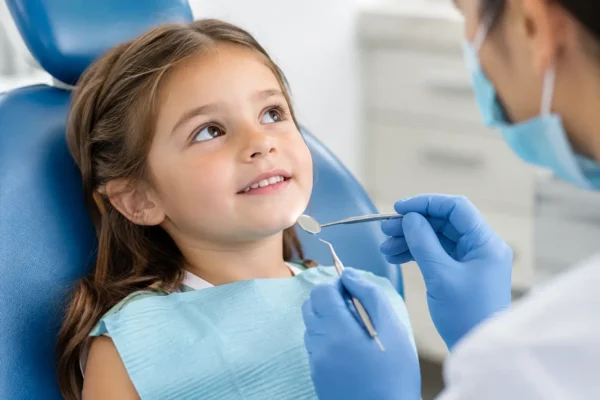
A newly erupted tooth should usually look smooth, strong, and similar in color to the teeth around it. When a child’s tooth has a white, yellow, or brown patch, a groove, an unusual shape, or enamel that seems to chip soon after eruption, parents naturally have questions. Developmental dental defects are changes that occur while teeth are forming, often long before a tooth becomes visible in the mouth.
These concerns are not caused by a child forgetting to brush or by a parent doing something wrong. They can affect baby teeth, permanent teeth, or both. With early attention and a thoughtful care plan, many children can stay comfortable, protect vulnerable teeth, and feel confident about their smiles.
What Are Developmental Dental Defects?
Teeth begin forming well before they erupt. During that process, the body builds the hard outer enamel, the layer beneath it, the tooth’s shape, and its roots. A developmental defect occurs when something affects one of those steps.
Some defects are easy to see, while others become clear only when a tooth is examined closely or appears on an X-ray. Affected teeth may have less enamel than usual, enamel that is softer than expected, or a different shape, size, or number than is typical. These changes are different from a cavity, although a tooth with a defect may be more likely to develop decay.
A pediatric dentist looks at the whole picture: which teeth are involved, how the enamel feels, whether the child has sensitivity, and how the teeth are growing together. That careful evaluation helps distinguish a developmental concern from staining, injury, or early tooth decay.
Common enamel changes
Enamel hypoplasia means there is less enamel than there should be. It may look like pits, grooves, missing spots, or thin areas on the tooth surface. Because the protective layer is incomplete, these areas may trap plaque more easily or wear down faster.
Hypomineralized enamel has formed, but it is not as hard or strong as healthy enamel. It can appear creamy white, yellow, or brown. Some children experience sensitivity to cold foods, toothbrushing, or dental cleanings. In more significant cases, the enamel can crumble after the tooth erupts.
One example is molar-incisor hypomineralization, often called MIH. It commonly affects the first permanent molars and sometimes the front permanent teeth. Since first molars typically arrive around age 6, regular checkups during this stage are especially helpful. These molars do a great deal of chewing work, so protecting them early can make a meaningful difference.
Changes in tooth shape, number, or eruption
Not every developmental issue involves enamel. A tooth may be unusually small, pointed, joined to a neighboring tooth, or missing altogether. Some children develop an extra tooth, while others have a tooth that does not erupt when expected. Certain changes affect how the bite develops or how easy it is to clean between teeth.
These findings are not always urgent, and many do not require immediate treatment. Still, monitoring growth at the right intervals gives families time to make calm, informed decisions if treatment is needed later.
Why Do Developmental Dental Defects Happen?
There is rarely one simple answer. Teeth form over several years, and many influences can affect development. Some defects are associated with genetic conditions or run in families. Others may be connected with premature birth, low birth weight, significant childhood illnesses, high fevers, nutritional challenges, or medical treatment during periods when teeth were developing.
A hard bump or infection involving a baby tooth can sometimes affect the permanent tooth developing beneath it. For example, an injury to a front baby tooth may later be followed by a white or yellow area on its permanent replacement. This does not mean a child did anything wrong after the injury. It reflects how closely baby teeth and developing permanent teeth sit together.
Sometimes no clear cause is found. That can be frustrating for parents, but the most useful next step is usually focusing on the tooth in front of you: keeping it comfortable, clean, and protected as your child grows.
Signs Parents May Notice at Home
Call your child’s dental office if you see a new spot, rough area, or change in a tooth that does not brush away. It is also wise to schedule an evaluation if your child avoids cold foods, complains that brushing hurts, or seems to chew on only one side.
Watch for enamel that chips repeatedly, brown or yellow areas on a newly erupted tooth, unusually deep grooves, or a tooth that looks noticeably different from the others. A tooth may also be slow to erupt or appear in an unexpected position. These signs do not automatically mean there is a serious problem, but they deserve a professional look.
Pain, facial swelling, fever, or a swelling on the gums calls for prompt dental attention. A developmentally weak tooth can develop decay more quickly, and early care is generally simpler and more comfortable for children.
How Pediatric Dentists Protect Affected Teeth
Care is tailored to the child, the tooth, and the severity of the defect. A small enamel difference without sensitivity may only need close observation, excellent home care, and preventive fluoride. For a tooth with deep grooves or a higher risk of breakdown, a sealant or protective coating may be recommended.
If enamel is weak or missing, a filling may restore a damaged area and make brushing easier. More extensive defects in a back tooth may benefit from a durable crown that covers and protects the tooth during the years it needs to function. For front teeth, treatment may also consider appearance and a child’s comfort smiling and speaking.
There is a balance to consider. Treating too aggressively can remove healthy tooth structure or create a restoration a child may need to maintain for years. Waiting too long can allow sensitivity, fractures, or cavities to grow. A board-certified pediatric dentist can help families weigh those choices based on the tooth’s condition, your child’s age, and how well the tooth can be kept clean.
At Little Town Smiles, we approach these conversations with a child-centered plan. Children deserve explanations they can understand, time to feel comfortable, and care that supports a trusting relationship with dentistry.
Everyday Care for Teeth With Enamel Defects
Consistent brushing with fluoride toothpaste is one of the most practical ways to protect vulnerable enamel. Parents should help or supervise brushing until a child has the coordination to clean thoroughly on their own, often around age 7 or 8. Use a rice-sized smear of fluoride toothpaste for children younger than 3 and a pea-sized amount for children ages 3 and older, unless your dentist advises otherwise.
Frequent sipping on sweet drinks, juice, sports drinks, or soda can be especially hard on weak enamel. Water between meals and snacks is a kinder choice for teeth. Regular meals and limited grazing also give saliva time to help the mouth recover after eating.
If cold foods make a tooth hurt, do not assume your child is being picky. Let the dental team know. Small adjustments in home care, preventive products, or treatment can often improve comfort.
Regular Visits Create a Better Plan
Developmental changes can look different as a child grows. A tooth that appears stable at one visit may need more protection after it erupts further or begins taking stronger chewing forces. Routine appointments allow the dental team to watch for those changes without waiting for pain to signal a problem.
For parents, the goal is not perfect teeth. It is a great start built on attention, prevention, and steady support. When a child has a tooth that looks or feels different, an early conversation with a pediatric dentist can bring clarity and help keep their smile healthy, comfortable, and ready for all the growing ahead.
Categories: Blog

Comments are closed.