


Teething Symptoms Versus Tooth Infection Signs
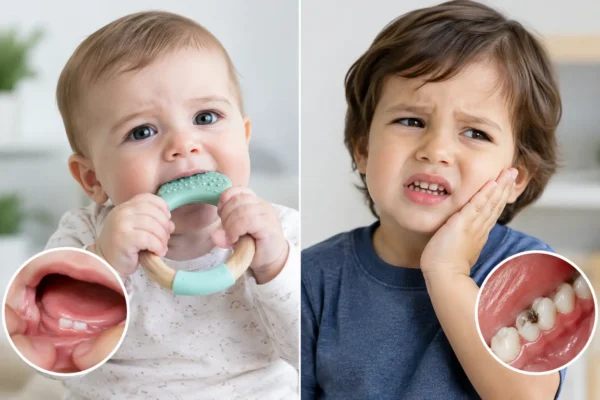
A newly fussy baby with drool on every bib can make any parent wonder what is normal. Understanding teething symptoms versus tooth infection can bring clarity and help you decide whether comfort care at home is appropriate or your child needs to be seen by a pediatric dentist.
Teething is a normal milestone, but it can be uncomfortable. A tooth infection is different: it needs prompt dental care and will not resolve with teething remedies. The clues are often found in the location of the discomfort, the appearance of the gums or face, and how your child is feeling overall.
What Normal Teething Usually Looks Like
Most babies begin getting teeth around 6 months old, though the timing varies widely. Some children start earlier, while others do not have their first tooth until closer to their first birthday. Older toddlers and preschoolers may also have discomfort as their molars come in.
When a tooth is moving through the gum, you may notice mild swelling or tenderness right where that tooth is expected to appear. The gum can look slightly raised or feel firm. Your child may drool more, chew on fingers or safe teething toys, and want extra cuddles. They may also be more irritable than usual, especially before naps or bedtime.
Teething discomfort tends to come and go. A child may have a difficult evening, then seem much more like themselves the next day. They should still be able to drink, have periods of playfulness, and be soothed with gentle care.
A cool, clean washcloth to chew on, a chilled solid teething ring, and a gentle gum massage with a clean finger can help. If you are considering pain medicine, use only an age-appropriate product and dose recommended by your child’s pediatrician or dentist. Avoid numbing gels containing benzocaine and teething necklaces, which can create serious safety risks.
Teething Symptoms Versus Tooth Infection: The Key Differences
A tooth infection often begins when bacteria enter a tooth through a cavity, crack, injury, or deep area of decay. In children, decay can progress faster than many parents expect, particularly in baby teeth. Baby teeth matter: they support chewing, speech development, comfort, and space for adult teeth.
The most telling difference is that infection pain is usually focused on one tooth or one area, rather than the general gum tenderness seen with teething. A child may point to a specific tooth, pull away when that side is touched, or avoid chewing on one side of the mouth.
Look closely, if your child allows it. Signs that are more concerning for infection include a visible cavity or dark spot, a chipped tooth, a pimple-like bump on the gum, swelling near one tooth, or a bad taste or odor that does not improve with brushing. A gum bump can drain and then seem to disappear, but the infection inside the tooth still needs treatment.
Facial swelling is never a typical teething sign. Swelling in the cheek, jaw, lip, or around the eye deserves same-day attention from a dentist or physician. It can indicate that infection has spread beyond the tooth.
Fever, diarrhea, and teething
Parents sometimes hear that teething causes fever or diarrhea. Teething may coincide with a slight increase in temperature or looser stools because young children put more objects in their mouths and are exposed to common viruses. However, teething should not cause a true fever, persistent diarrhea, vomiting, or a child who appears significantly ill.
If your child has a fever of 100.4°F or higher, trouble drinking, repeated vomiting, unusual sleepiness, or symptoms that concern you, contact their pediatrician. Do not assume illness is from teething alone. If fever occurs alongside tooth pain, gum swelling, or facial swelling, call a pediatric dentist promptly as well.
When a Toothache Needs a Pediatric Dentist
Children do not always have the words to describe dental pain. A toddler may rub their cheek, refuse a favorite crunchy food, wake crying at night, or become upset during brushing. An older child may say that a tooth hurts with cold drinks, sweets, or chewing.
Call for a dental appointment soon if your child has ongoing tooth pain, a visible cavity, a broken tooth, a gum bump, or tenderness that lasts more than a day or two. Early treatment can often be simpler and more comfortable than waiting until pain becomes severe.
Call for same-day guidance if there is swelling of the gums, cheek, jaw, or face; pain that is keeping your child awake; drainage from the gums; or a fever paired with a suspected dental problem. A pediatric dental team can help determine the next step based on your child’s symptoms.
Seek emergency medical care right away if your child has difficulty breathing or swallowing, swelling that is rapidly getting worse, swelling near the eye, cannot open their mouth normally, seems confused or unusually drowsy, or cannot keep fluids down. These signs require urgent evaluation.
What to Do While You Wait for Care
If you suspect a tooth infection, keep your child comfortable but do not try to treat the infection at home. Continue gentle brushing with a soft toothbrush and a small smear or pea-sized amount of fluoride toothpaste, depending on your child’s age and ability to spit. Keeping the area clean may help, but it cannot remove infection inside a tooth.
Offer soft foods and water if chewing is painful. A cold compress on the outside of the cheek may ease swelling and discomfort. Use pain medicine only as directed by your child’s health care provider, and never place aspirin directly on a tooth or gum. Avoid using leftover antibiotics. The wrong antibiotic, dose, or timing can mask symptoms without treating the source of the problem.
If a tooth is broken after a fall, rinse the mouth gently with water and save any tooth fragment you can find. A baby tooth that has been completely knocked out should not be put back in the socket. Call a pediatric dentist for guidance.
Why Early Dental Visits Make These Moments Easier
A child’s first dental visit is recommended by age 1 or within six months of the first tooth coming in. These early visits are not just for finding cavities. They give parents a chance to ask about teething, brushing, fluoride, feeding habits, injury prevention, and what normal mouth development looks like.
Regular preventive visits also help children become familiar with the dental office when they are comfortable and well. That relationship can make an unexpected toothache feel less intimidating for both child and parent. At Little Town Smiles, families are guided with age-appropriate care and clear explanations, so children can build confidence along with healthy habits.
A Simple Way to Trust Your Instincts
Teething usually causes mild, temporary gum discomfort around an emerging tooth. Infection is more likely when pain is persistent or intense, one tooth appears damaged, there is a gum bump or swelling, or your child seems unwell. When you are unsure, it is always reasonable to call a pediatric dental office and describe what you are seeing.
Your child does not need to tough out dental pain. A calm, timely conversation with a pediatric dental team can protect their comfort now and support healthy teeth that last a lifetime.
Categories: Blog

Comments are closed.