


Can Pacifiers Affect Teeth? What Parents Should Know
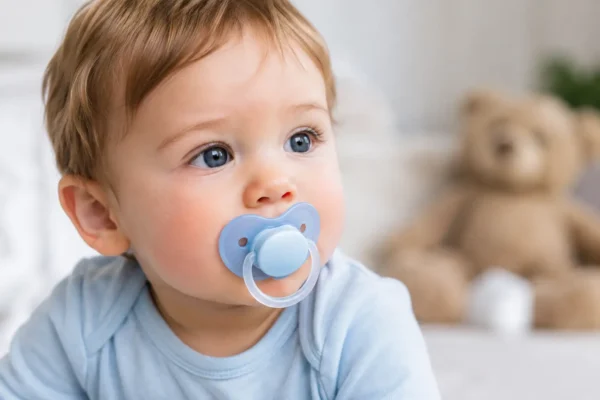
A pacifier can be a welcome source of comfort during a late-night wake-up, a car ride, or a hard separation. Many parents also wonder, can pacifiers affect teeth? The honest answer is yes, they can – but the effect depends mostly on how often a child uses one, how long the habit continues, and the way their mouth is growing.
There is no need for guilt if your baby or young toddler uses a pacifier. Non-nutritive sucking is a normal developmental behavior, and a pacifier may even be part of a soothing bedtime routine. The goal is not to create fear around a helpful comfort tool. It is to make a thoughtful plan for reducing use at the right time, so your child can enjoy a great start toward healthy teeth that last a lifetime.
Can Pacifiers Affect Teeth as Children Grow?
A pacifier held in the mouth repeatedly can place gentle but ongoing pressure on the teeth, jaw, and roof of the mouth. In infancy, when teeth are just beginning to appear, this usually is not a major concern. As children get older, frequent and prolonged sucking can influence how the upper and lower teeth fit together.
One change parents may notice is an open bite, where the front teeth do not meet when the child closes their mouth. Some children may develop an overjet, meaning the upper front teeth sit farther forward than usual. The upper jaw can also become narrower in some cases, which may contribute to crowding or a crossbite later on.
These possibilities do not mean that every child who uses a pacifier will need orthodontic treatment. Children grow differently, and dental development is influenced by genetics, jaw growth, oral habits, and timing. Still, the longer a strong sucking habit continues, the more likely it is to affect the developing bite.
Frequency matters as much as age
A pacifier that is used only for sleep is different from one that stays in a child’s mouth throughout the day. The key factors are duration, frequency, and intensity. A child who sucks vigorously for many hours each day has more consistent pressure on growing teeth than a child who uses a pacifier briefly at naptime.
This is also why a child’s individual routine matters more than a single rule. Your pediatric dentist can look at your child’s teeth, bite, and habits together and offer guidance that fits their stage of development.
When Should a Child Stop Using a Pacifier?
For most families, it helps to begin limiting pacifier use as a child moves through the toddler years. Many children are ready to reserve it for naps and bedtime by around age 2. Pediatric dentists commonly encourage families to work toward stopping the habit by age 3, when possible, to reduce the chance of longer-lasting bite changes.
Earlier is often easier, but it is not a race. A child who is managing a new sibling, a move, illness, or another big change may need extra comfort for a little while. In those moments, a gradual plan can be kinder and more successful than suddenly taking the pacifier away.
When a pacifier habit ends early enough, minor changes in the front teeth may improve naturally as the mouth continues to grow. If the habit continues for several more years, or if a bite concern is already visible, changes are less likely to resolve completely on their own. That is a good reason to bring it up at regular dental visits instead of waiting for permanent teeth to arrive.
Are Orthodontic Pacifiers Better?
Some pacifiers are marketed as orthodontic because they have a flatter or differently shaped nipple. These designs may be made to reduce certain pressures compared with a traditional rounded pacifier. However, an orthodontic label does not make prolonged use risk-free.
The habit itself still matters most. Even a thoughtfully designed pacifier can affect tooth position when it is used frequently over a long period. If your child uses a pacifier, choose an age-appropriate size, inspect it regularly for wear, and replace it when it becomes damaged. Avoid dipping it in honey, sugar, juice, or other sweet substances, which can raise the risk of cavities.
Do not cut the nipple or alter a pacifier to encourage your child to stop. A damaged pacifier can become a safety concern. It is better to use a gentle transition plan that gives your child support while building new ways to self-soothe.
Helping Your Child Say Goodbye to the Pacifier
The smoothest transitions usually happen when parents treat pacifier weaning as a process, not a battle. Start by noticing when your child truly relies on it. If they use it all day, begin by putting it away during meals, playtime, and conversations. This supports both dental development and opportunities to practice clear speech and facial expressions.
Once daytime use is reduced, focus on sleep routines. Offer another calming cue, such as a favorite stuffed animal, a short bedtime story, quiet music, or extra cuddles. A consistent routine helps your child understand that comfort is still available even when the pacifier is not.
Simple, positive language works well. You might say, “Pacifiers are for sleeping now,” rather than framing the change as a punishment. For some children, a visual calendar with small celebrations for pacifier-free days can feel encouraging. Others do best with a clear family date when the pacifiers are gathered up and put away.
Try not to shame, tease, or repeatedly negotiate after setting a boundary. A few difficult nights can be normal, especially for a child who has used a pacifier to fall asleep. Stay calm, offer reassurance, and keep the response predictable. If your child is especially distressed or the habit feels hard to change, a pediatric dentist can help you think through a plan that respects your child’s temperament and needs.
When Should You Ask a Pediatric Dentist?
Bring up pacifier use at your child’s routine dental appointments, even if you do not see an obvious problem. A pediatric dentist can check whether the front teeth meet normally, evaluate jaw growth, and explain what they are seeing in clear, age-appropriate terms.
Schedule a conversation sooner if your child is older than 3 and still depends on a pacifier often, if the front teeth do not touch when they bite down, or if you notice that the upper teeth seem far forward or the lower teeth bite outside the upper teeth. These signs do not automatically mean something serious is wrong. They simply deserve an experienced look.
At Little Town Smiles, families can expect supportive guidance without judgment. Children are not all ready for the same milestones at the same time, and parents deserve practical information that helps them make a confident choice for their family.
Keep the Focus on Healthy Daily Habits
Pacifier use is only one part of your child’s oral health picture. Brushing twice daily with a small, age-appropriate amount of fluoride toothpaste, drinking water between meals, and keeping regular dental visits all help protect growing smiles. If your child uses a pacifier at bedtime, make sure teeth are brushed first and avoid offering milk, juice, or sweet drinks after brushing.
A comfort habit can feel like a big issue, but it is one small chapter in your child’s development. With patience, a gentle plan, and a trusted pediatric dental partner, you can help your child move forward with confidence – and keep that growing smile on a healthy path.
Categories: Blog

Comments are closed.