


Enamel Hypoplasia Treatment for Children
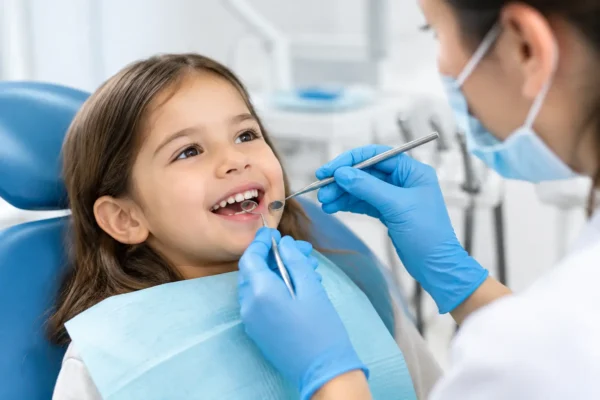
A tiny rough spot, a white or yellow-brown patch, or a tooth that seems to chip more easily can leave parents wondering what happened. Enamel hypoplasia treatment helps protect teeth that did not form with their full, strong outer enamel layer. With thoughtful pediatric care, many children with enamel hypoplasia can stay comfortable, prevent further damage, and smile with confidence.
What Is Enamel Hypoplasia?
Enamel is the hard outer coating that protects each tooth from everyday chewing, temperature changes, and cavity-causing bacteria. Enamel hypoplasia occurs when that coating does not develop completely. Affected teeth may have thinner enamel, small pits or grooves, uneven surfaces, or areas that look white, cream, yellow, or brown.
This is different from a stain that sits on the tooth’s surface. The change is part of the tooth itself, which means brushing alone will not remove it. Some children have just one affected tooth, while others have several. Both baby teeth and permanent teeth can be affected.
The concern is not only cosmetic. Thin or uneven enamel can make a tooth more sensitive and more vulnerable to cavities, wear, and chipping. Early attention allows a pediatric dentist to choose protection that fits your child’s age, the tooth involved, and the severity of the enamel change.
Why Does It Happen?
Enamel develops before a tooth appears in the mouth. If something interrupts development during that window, the enamel may not form normally. Parents should not assume they caused the problem. In many cases, there is no single clear reason.
Potential contributors can include a difficult illness with high fever early in life, premature birth, nutritional challenges, certain medications, injury or infection involving a baby tooth, and some medical or genetic conditions. For example, a significant injury to a front baby tooth can sometimes affect the permanent tooth developing above it.
Your pediatric dentist will review your child’s health history and examine the pattern of affected teeth. That information can help clarify whether the issue likely involved one developing tooth or a broader period of enamel development.
How a Pediatric Dentist Evaluates Affected Teeth
A careful examination does more than confirm that enamel looks different. The goal is to understand how well the tooth is functioning and how much protection it needs.
The dentist will check for soft areas, early cavities, cracks, worn edges, plaque buildup in grooves, and signs of sensitivity. Age-appropriate dental X-rays may be recommended when they can show the tooth structure below the surface or help assess teeth that have not yet erupted.
Children do not always describe discomfort clearly. They may avoid cold drinks, chew on one side, brush reluctantly, or become upset when a certain tooth is touched. Sharing these observations helps the dental team make the visit more comfortable and create a care plan that feels manageable for your child.
Enamel Hypoplasia Treatment Depends on Severity
There is no single enamel hypoplasia treatment that is right for every child. A small, smooth area on a tooth that is not sensitive may need a different approach than a deeply pitted molar that traps food or a front tooth with a visible defect.
Prevention for Mild Enamel Changes
When enamel hypoplasia is mild, protecting the tooth may be the best first step. Your child’s dentist may recommend fluoride varnish to strengthen the remaining enamel and reduce sensitivity. Fluoride toothpaste, used in the right amount for your child’s age, is also a key part of daily prevention.
Deep grooves or small pits in back teeth can sometimes be protected with dental sealants. These thin protective coatings help keep bacteria and food out of areas that are difficult to clean. Regular visits allow the dentist to monitor the tooth and spot changes before they become painful.
Restoring Teeth That Need More Coverage
If the enamel is missing over a larger area, a tooth-colored filling may restore the shape of the tooth and cover vulnerable spots. Fillings can be especially helpful when rough enamel is collecting plaque or when a chipped edge is bothering your child.
For a baby molar with extensive enamel weakness or decay, a pediatric crown may offer more reliable coverage. Crowns surround the tooth, helping it handle chewing while preserving it until it is naturally ready to fall out. Although parents may initially feel surprised by the idea of a crown on a baby tooth, keeping that tooth healthy can protect space for the permanent tooth that will follow.
In select situations, particularly when a tooth cannot be comfortably restored, removal may be discussed. This is not usually the first choice, and the dentist will consider how removing a tooth could affect chewing, speech, and spacing. A space maintainer may be recommended if a baby tooth is lost early.
Managing Sensitivity and Appearance
Sensitive teeth can make routine habits such as brushing, eating fruit, or drinking cold water unpleasant. Fluoride treatments, protective restorations, and gentle brushing strategies can reduce discomfort. Your dentist may also suggest a toothpaste designed for sensitivity when it is appropriate for your child.
For front teeth, appearance can matter to children, especially as they become more socially aware. A smooth tooth-colored restoration may improve the look of a visible defect while also protecting the tooth. The timing depends on your child’s cooperation, the amount of enamel involved, and whether the tooth is still changing as your child grows.
Home Care Makes a Meaningful Difference
Even though weakened enamel cannot grow back, daily habits can help affected teeth stay healthier. Help young children brush twice each day using a soft toothbrush and the amount of fluoride toothpaste recommended by their dentist. Parents should assist or supervise brushing until children have the hand skills to clean thoroughly on their own.
Frequent sipping on juice, sports drinks, soda, or sweetened snacks can be especially tough on teeth with enamel hypoplasia. Water between meals is a tooth-friendly choice. Serving sweet foods and drinks with meals rather than allowing all-day grazing also gives teeth time to recover between acid exposures.
If a tooth is rough, chipped, or sensitive, do not try to smooth it at home. Avoid whitening products or abrasive toothpaste unless your child’s dentist has specifically recommended them. These products will not correct a developmental enamel defect and may make sensitivity worse.
When Should You Schedule a Visit?
Schedule a pediatric dental visit if you notice unusual spots, pits, grooves, rough texture, repeated chipping, or a tooth that seems more sensitive than others. An examination is also wise when a child has a history of serious early childhood illness, premature birth, or trauma to baby teeth.
Call sooner if your child has tooth pain, swelling, trouble eating, a broken tooth, or a dark area that seems to be getting larger. Cavities can progress more quickly in teeth with weak enamel, but timely care can often prevent a small concern from becoming a more complicated one.
At Little Town Smiles, families can expect a child-centered approach that explains each step in clear, reassuring language. A calm visit and an individualized plan can help children feel safe while protecting the healthy smiles they are growing into. Small changes in enamel deserve attention, and early support can give your child a more comfortable path to healthy teeth that last a lifetime.
Categories: Blog

Comments are closed.