


How to Clean Infant Gums Safely Every Day
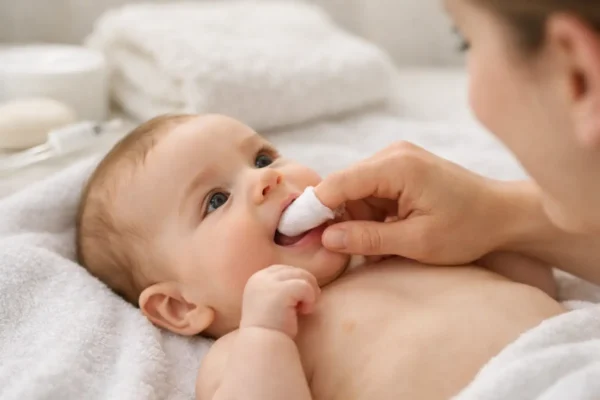
That soft, gummy smile may not have teeth yet, but it is already the beginning of your child’s oral health routine. Learning how to clean infant gums gives parents a simple way to build a healthy habit early, before brushing becomes part of the bedtime routine.
Gentle gum care is not about scrubbing hard or trying to make a baby’s mouth perfectly spotless. It is about keeping the mouth comfortable, becoming familiar with what looks normal, and helping your child grow up seeing oral care as a calm, caring part of everyday life.
When Should You Start Cleaning Infant Gums?
You can begin cleaning your baby’s gums in the newborn stage. Before teeth arrive, a quick, gentle wipe once a day is usually enough. Many families find that it works well after the final feeding of the day, before baby settles in for their longest stretch of sleep.
There is no need to wake a sleeping infant just to clean their gums, and you do not need to wipe after every feeding. Consistency matters more than perfection. A brief daily routine helps your child get used to the feeling of having their mouth cleaned, which can make the transition to a toothbrush easier later on.
Cleaning becomes even more important once the first tooth appears. Teeth can collect plaque, and tooth decay can begin soon after eruption. At that point, move from wiping gums alone to brushing the tooth or teeth twice a day with an infant-sized toothbrush.
How to Clean Infant Gums Gently
Choose a time when your baby is calm and supported, such as during a diaper change, after a bath, or while sitting in your lap. Wash your hands first. Then dampen a clean, soft washcloth, piece of gauze, or soft infant finger brush with plain water.
Gently wrap the cloth or gauze around your finger and sweep it along the upper and lower gumlines. Use light pressure, similar to the pressure you would use to wipe your baby’s cheek. Clean the inside of the cheeks and the tongue only if your baby is comfortable with it. There is no need to reach far back in the mouth, which can trigger a gag reflex.
A simple routine can look like this:
- Wash your hands and use a fresh, clean cloth or gauze.
- Moisten it with water, then squeeze out extra water so it is not dripping.
- Support your baby’s head and gently wipe the upper and lower gums.
- Pause if your baby becomes upset, then try again later.
Some babies welcome the sensation right away. Others may turn their head, clamp their mouth, or fuss. That is normal. Keep the experience relaxed and brief. Singing a quiet song, talking gently, or letting your baby hold a second clean washcloth can make the routine feel more familiar over time.
What Should You Use to Clean Baby Gums?
For gums without teeth, plain water and a clean, soft material are all you need. A washcloth or gauze is often easier to control than a finger brush, especially for a tiny newborn mouth. A silicone finger brush can be useful for some families, but it is not required.
Avoid toothpaste before teeth erupt unless your child’s pediatric dentist has given you specific instructions. You also do not need mouthwash, dental wipes with added ingredients, or flavored cleaning products. Infants may swallow what is placed in their mouths, and simple is safest.
Do not use honey, baking soda, salt, alcohol-based products, essential oils, or adult oral-care products on your baby’s gums. These products can irritate delicate tissues or create unnecessary safety concerns. If someone suggests a home remedy for teething discomfort, check with your child’s pediatrician or pediatric dentist before trying it.
What Changes When the First Tooth Arrives?
The first tooth often comes in around 6 months, although there is a wide range of normal. Some babies have a tooth earlier, while others do not have one until closer to their first birthday. Once you see or feel a tooth, begin brushing twice a day with a small, soft-bristled infant toothbrush.
Use a smear of fluoride toothpaste about the size of a grain of rice. This small amount is recommended for children under age 3 because fluoride helps strengthen developing teeth and protect them from cavities. Brush gently along the tooth and gumline, especially before bed.
Your baby will not be able to spit out toothpaste, and that is okay when you use only the recommended smear. Do not rinse afterward. The goal is to leave a small amount of fluoride on the tooth surface, not to fill the mouth with toothpaste.
As teeth come in, continue to lift the lip gently and look along the gumline. Early decay can sometimes appear as dull white spots near the gums, particularly on the upper front teeth. A pediatric dental team can assess concerns early and help protect healthy teeth before a small issue becomes more complicated.
Teething Can Make Gum Cleaning Different
Tender gums can make a baby less interested in having their mouth touched. During teething, try using a cool, clean washcloth to wipe the gums. The cool fabric may feel soothing, as long as it is not frozen stiff. A chilled teething ring can also provide comfort between cleanings.
You may notice drooling, chewing, mild fussiness, or swollen areas where teeth are coming through. These can be common teething signs. However, high fever, persistent diarrhea, unusual sleepiness, or a baby who seems very unwell should not automatically be blamed on teething. Contact your child’s medical provider for guidance.
If cleaning feels uncomfortable for your baby on a particular day, keep the routine short and use the lightest touch. Skipping an occasional wipe during a difficult teething moment is less concerning than turning oral care into a stressful struggle. Return to the routine when your baby is more comfortable.
When Should Parents Call a Pediatric Dentist?
A healthy infant mouth can have many normal variations, including small white bumps, mild gum swelling before a tooth erupts, or a tongue that looks lightly coated after feeding. Still, some changes deserve professional attention.
Call a pediatric dentist if you notice white patches that do not wipe away easily, which may be a sign of oral thrush; bleeding that continues or occurs without an obvious cause; sores that do not improve; a foul odor; swelling of the face or gums; or teeth that look discolored, chipped, or unusually shaped. It is also wise to ask about feeding-related oral concerns, prolonged bottle use, thumb sucking, or a lip or tongue tie if you have questions about your baby’s comfort or feeding.
A child should have a first dental visit by their first birthday or within six months of the first tooth coming in, whichever happens first. This early visit is usually gentle and informative. It gives parents a chance to ask questions, learn age-appropriate brushing techniques, and begin building a trusting relationship with a dental team.
A Small Routine With a Lasting Purpose
Infant gum care does not need to be complicated to be meaningful. A clean cloth, a little water, and a few calm moments together can lay the groundwork for brushing, regular dental visits, and healthy teeth that last a lifetime.
At Little Town Smiles, we believe early dental care should help families feel supported, not overwhelmed. If you have a question about your baby’s gums, first tooth, or first dental appointment, asking early can bring peace of mind and give your child a great start.
Categories: Blog

Comments are closed.