


Pediatric Specialist Versus Family Dentist for Kids
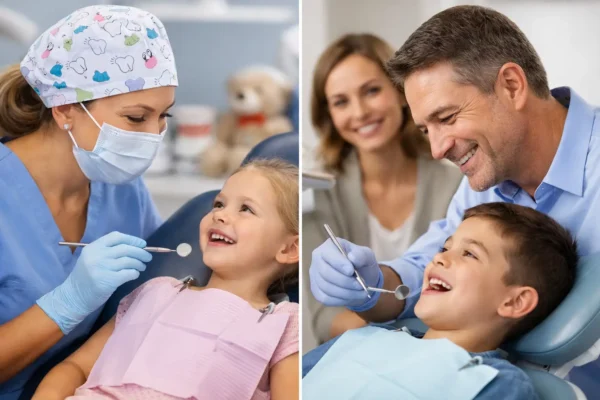
A pediatric specialist versus family dentist is not simply a question of who can clean your child’s teeth. Both can play a valuable role in oral health. The best choice depends on your child’s age, comfort level, dental needs, and the kind of long-term experience you want them to have at the dentist.
For many parents, the decision starts before a child has a full set of teeth. A first visit can shape how a child feels about dental care for years to come. The goal is not only healthy teeth today, but a trusting relationship and confident habits that support a healthy smile throughout childhood.
What Makes a Pediatric Dentist a Specialist?
A pediatric dentist is a dentist who has completed dental school and then pursued additional specialty training focused on infants, children, teenagers, and patients with special health care needs. This training addresses the changing mouth, teeth, bite, and behavior of growing children.
Children are not simply small adults. Their teeth are developing, their ability to describe discomfort may be limited, and their feelings about unfamiliar sights and sounds can be intense. Pediatric specialty training includes child development, behavior guidance, growth patterns, preventive care, and treatment approaches designed for young patients.
At Little Town Smiles, care is led by LoanAnh T. Bui, DDS, a board-certified pediatric specialist. Board certification is an additional credential that reflects a commitment to high standards in the specialty of pediatric dentistry.
A pediatric office is also designed around children’s needs. The pace of the visit, the language used, the size of equipment, and the way a team introduces each step can all help a child feel more comfortable. A warm, kid-friendly setting does not replace clinical expertise, but it can make that expertise easier for a child to accept.
What Does a Family Dentist Provide?
A family dentist provides general dental care for patients of many ages, often seeing children, parents, and grandparents in one practice. Many family dentists are experienced in caring for children and may be an excellent fit for families who prefer appointments in one location or have children who are comfortable with routine dental visits.
Family dentists commonly provide checkups, cleanings, X-rays, fillings, and preventive guidance. For a child with straightforward needs, a family dentist may offer convenient, quality care. Some practices have a strong interest in treating children and create welcoming routines for young patients.
The difference is not that one provider cares about children and the other does not. It is primarily about the scope and depth of child-specific training, as well as the environment and systems built around pediatric care.
Pediatric Specialist Versus Family Dentist: Key Differences
When comparing a pediatric specialist versus family dentist, consider more than the services listed on a website. Think about how each office supports your child at their current stage of development.
Training focused on growing smiles
A pediatric specialist has advanced training in the oral health needs of children from infancy through adolescence. That includes monitoring how jaws and teeth develop, recognizing concerns early, and guiding parents through common milestones such as teething, thumb sucking, pacifier use, cavity prevention, and the arrival of permanent teeth.
A family dentist may also monitor these changes, particularly when they regularly care for children. Still, pediatric dentistry centers on these developmental stages every day.
A child-centered approach to comfort
A toddler who will not sit still, a preschooler worried about a new environment, and a teenager who feels self-conscious about their smile each need a different approach. Pediatric dental teams are trained to communicate in ways children can understand and to help them take small, manageable steps during a visit.
This does not mean every child will love every appointment. Some children need extra time, especially after a difficult medical experience or when they have sensory sensitivities. What matters is having a team that remains patient, respectful, and encouraging while helping your child feel safe.
Prevention from the very beginning
Preventive care is especially powerful during childhood because habits are still taking shape. A pediatric dental visit can include more than a cleaning. It may involve a cavity-risk assessment, nutrition guidance, fluoride recommendations, sealant discussions, brushing and flossing coaching, and advice tailored to your child’s age.
Parents are part of this process. Young children need hands-on help with brushing, and older children need reminders, practical tools, and encouragement as they become more independent. Good pediatric care helps families understand what to do at home between visits.
Treatment for a wide range of needs
Many children only need routine preventive care. Others may have frequent cavities, dental anxiety, an injury from sports or play, crowded teeth, enamel differences, or special health care needs. A pediatric specialist is prepared to manage these concerns with techniques and treatment planning developed for children.
That does not mean a family dentist cannot treat a child who needs a filling or repair. It means a pediatric practice may be particularly helpful when a child’s needs are more complex, when cooperation is difficult, or when parents want care in an environment centered entirely on young patients.
When a Family Dentist May Be the Right Fit
Choosing a family dentist can make sense for some families. If your child is calm during visits, has routine dental needs, and you value having the whole household cared for in one office, a trusted family dentist may be a practical choice.
Relationships matter, too. A family dentist who knows your family well and communicates clearly can be a meaningful partner in your child’s care. The most helpful question is not, “Which type of dentist is always better?” It is, “Who is best prepared to help my child feel comfortable and stay healthy?”
If a family dentist sees a concern that would benefit from specialty care, they may recommend a pediatric dentist. That referral is a sign of thoughtful, collaborative care.
When a Pediatric Dentist Can Be Especially Helpful
A pediatric dental home may be a particularly good choice for a baby’s first visit, a child who is nervous about the dentist, or a child with a history of cavities. It can also be reassuring for families managing developmental differences, complex medical histories, or a dental emergency.
Pediatric care is not reserved for children with problems. Starting early gives parents a place to ask questions before concerns become more complicated. A specialist can help you understand when to begin brushing with fluoride toothpaste, how to respond to a chipped tooth, whether a habit may affect development, and what is normal as adult teeth begin to emerge.
For adolescents, pediatric dentistry can offer continuity during a busy stage of life. Teens still benefit from coaching about cavities, sports mouthguards, wisdom teeth, orthodontic concerns, and the everyday habits that protect their smiles.
Questions to Ask Before Choosing Your Child’s Dentist
A short conversation with an office can tell you a great deal. Ask whether the practice routinely sees children your child’s age and how it approaches a first visit. You can also ask how the team helps children who are anxious, what preventive services are recommended, and how parents are included in treatment discussions.
Pay attention to the answers. You should feel welcomed, not rushed or judged. A good dental team will explain recommendations in plain language, take your questions seriously, and help you understand your options.
It is also reasonable to ask about the office environment. For young children, details matter: Is the team accustomed to wiggly toddlers? Do they explain instruments in child-friendly terms? Are appointments paced with children in mind? A comfortable first experience can make future care much easier.
Building a Dental Home Your Child Can Trust
Whether you choose a pediatric specialist or family dentist, consistency is one of the greatest gifts you can give your child’s smile. Regular visits allow the dental team to notice changes early, reinforce healthy routines, and become familiar faces your child recognizes.
For families seeking a pediatric dental home, specialty care offers focused expertise alongside a setting made for children. The right office helps children feel heard and capable, while giving parents clear guidance at every stage.
Your child deserves dental care that meets them where they are – from a first tooth and first toothbrush to school days, sports seasons, and growing independence. A calm, encouraging visit today can help create healthy habits and a confident smile that lasts long after childhood.
Categories: Blog

Comments are closed.