


How to Manage Child Gag Reflex at the Dentist
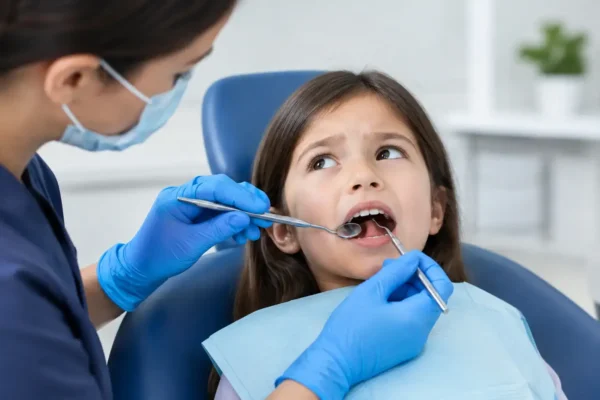
A gag during toothbrushing, X-rays, or a dental visit can feel alarming for both a child and a parent. The good news is that a sensitive gag reflex is common, especially in younger children, and there are gentle ways to manage child gag reflex concerns without making dental care feel scary.
At Little Town Smiles, we treat each child as an individual. Some children gag because the back of the mouth is especially sensitive. Others react when they are nervous, rushed, congested, or trying a new sensation. Understanding the likely trigger helps us create a calmer, more comfortable plan.
Why children gag during dental care
The gag reflex is a protective response. It helps keep objects from moving too far toward the throat, so it is not something a child is doing on purpose or something they can always control. Children may gag when a toothbrush, dental mirror, X-ray sensor, fluoride tray, or even a finger gets close to the back of the tongue or roof of the mouth.
For some children, anxiety can make the reflex stronger. When a child is worried, they may breathe more quickly through the mouth, tense their shoulders, swallow often, or focus closely on every sensation. A child who has gagged before may also begin to expect it, which can make the next attempt harder. This is why a patient, supportive approach matters so much.
Nasal congestion can play a role, too. A child with allergies, a cold, or stuffiness may find it difficult to breathe comfortably through the nose. Strong flavors, a full stomach, motion sensitivity, and certain sensory sensitivities can also contribute. There is rarely one answer for every child, and that is okay.
How to manage child gag reflex at home
Start with a calm routine, not a goal of perfect brushing on day one. Children often do better when they know what to expect and have some control over the process. Use a small, soft-bristled toothbrush with a compact head, and begin with the front and side teeth before slowly working toward the back.
Keep brushing sessions brief and predictable. A favorite two-minute song can help, but if that feels too long for a child with a strong gag reflex, begin with a shorter successful attempt and build up. Praise specific efforts: “You opened so wide,” or “You let the brush reach your back teeth for a few seconds.” This builds confidence without putting pressure on your child.
If toothpaste flavor seems to trigger gagging, ask your pediatric dentist about age-appropriate alternatives. For children under 3, a smear of fluoride toothpaste is generally recommended; children ages 3 through 6 typically use a pea-sized amount and should be supervised to avoid swallowing. The right amount, flavor, and technique can make a meaningful difference.
Encourage nose breathing when possible. You might practice it away from brushing by having your child take slow breaths in through the nose and out through the mouth. Avoid asking a child to “just stop gagging.” Instead, pause, let them sit up, offer reassurance, and try again later if needed. Forcing a toothbrush farther back can increase fear and make the reflex more sensitive over time.
Preparing for a more comfortable dental visit
Tell the dental team before the appointment if your child gags easily, has had a difficult experience with X-rays, struggles with certain textures, or is currently congested. This information helps the team plan ahead and gives your child a better start.
A few practical choices can help on appointment day. Schedule at a time when your child is usually rested and regulated, rather than during a rushed or sleepy part of the day. Offer a light meal beforehand unless the office gives different instructions. Arriving a few minutes early can also give your child time to settle into a new environment instead of moving straight from the car to the dental chair.
Use simple, honest language at home. You can say, “The dentist will count your teeth and help keep them strong.” Avoid detailed descriptions of tools or promises that nothing will feel unusual. Children trust adults more when we acknowledge that something may feel different while reminding them that a caring team will explain each step.
For a first visit or a child who is anxious, bringing a comfort item can be helpful. A small stuffed animal, familiar blanket, or calming fidget may give a child something positive to focus on. It also helps when parents stay relaxed. Children often take cues from the adults they trust most.
What a pediatric dental team can do differently
Pediatric dental care is designed around growing children, including children who need extra time to feel comfortable. A trained pediatric dental team may use tell-show-do, a gentle approach that lets a child hear a simple explanation, see the item from a safe distance, and then experience it in manageable steps.
Positioning matters. Sitting a child more upright can reduce the feeling that something is moving toward the throat. The team may offer frequent breaks, use a smaller mirror or X-ray sensor, adjust suction placement, and work in shorter intervals. A child may also benefit from practicing with a sensor before an X-ray is taken.
Distraction can be useful, but it is not the only answer. Some children respond well to conversation, a favorite show, music, or a simple job such as holding a small object. Others do best with quiet, slow explanations and fewer sensations at once. The best approach depends on the child’s age, temperament, sensory needs, and the type of care needed.
For treatment that cannot be completed comfortably in a routine visit, your pediatric dentist can discuss appropriate options. These may include additional desensitization visits, behavior guidance techniques, or, when clinically appropriate, sedation options. The goal is never to rush a child through care. It is to protect their oral health while building a trusting relationship with dentistry.
When gagging deserves a closer look
An occasional gag during brushing or dental care is usually not a sign of a serious problem. Still, let your child’s dentist and pediatrician know if gagging is frequent, worsening, or affecting daily life. A closer evaluation may be helpful when gagging occurs along with other concerns, such as:
- Trouble chewing, swallowing, or eating a variety of textures
- Frequent vomiting, coughing, choking, or breathing difficulty
- Persistent mouth breathing, loud snoring, or ongoing nasal blockage
- Pain, weight loss, dehydration, or a strong fear that prevents needed care
These symptoms can have many possible causes, including nasal or throat concerns, reflux, enlarged tonsils, or feeding and sensory challenges. Your child’s healthcare providers can help determine whether another specialist should be involved.
A gentle pace builds lasting confidence
A sensitive gag reflex does not mean your child cannot have successful dental visits or healthy brushing habits. It may simply mean they need smaller steps, more communication, and a team that understands how to meet them where they are.
With patience and consistent support, children can learn that dental care is a safe part of growing up. Every calm practice session, every successful break, and every kind interaction helps create the confidence behind healthy teeth that last a lifetime.
Categories: Blog

Comments are closed.