


Pacifier Dental Effects: What Parents Should Know
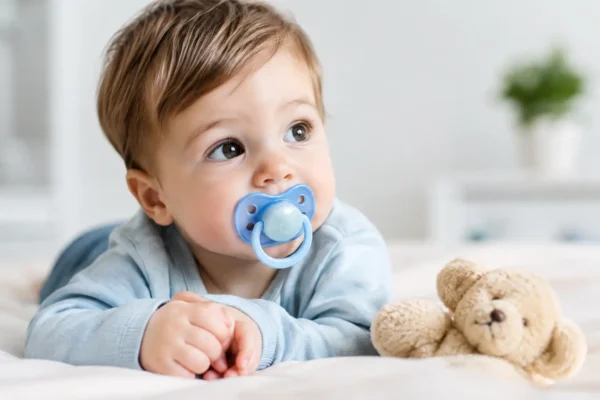
A pacifier can be a small source of calm during a very big stage of childhood. It may soothe a fussy baby, make naps easier, and offer comfort during unfamiliar moments. Still, parents often wonder about pacifier dental effects and whether a favorite pacifier could affect their child’s growing smile. The reassuring answer is that timing, frequency, and duration matter much more than occasional use.
For most babies and young toddlers, pacifier use does not create a lasting dental concern. The conversation changes when sucking habits continue frequently as a child gets older, especially after age 2 or 3. Knowing what to watch for can help your family make a gentle plan that supports both comfort now and healthy teeth for years to come.
Why pacifiers can affect developing teeth
A child’s jaw, teeth, and facial bones are growing quickly during the early years. When a pacifier rests between the teeth for long periods, it can place steady pressure on the upper front teeth, lower front teeth, and roof of the mouth. Over time, that pressure may influence how the teeth come together.
This does not mean every child who uses a pacifier will develop a bite problem. Some children use one mainly for sleep, while others keep it in their mouths for much of the day. A child’s natural growth pattern, the shape of the pacifier, and how long the habit lasts can also play a role.
The main concern is not a newborn who needs comfort. It is prolonged, frequent use after the age when many children are ready to begin moving on from the habit. That is why pediatric dental guidance is most helpful when it feels supportive rather than urgent or shame-based.
Common pacifier dental effects parents may notice
When pacifier use continues beyond the toddler years, a pediatric dentist may look for changes in tooth position or bite. These changes can be subtle at first and are often easier to address when the sucking habit ends early.
An open bite
An open bite happens when the upper and lower front teeth do not touch when your child closes their mouth. Instead, there may be a visible gap between them. A pacifier can contribute to this pattern because it holds the front teeth apart repeatedly.
For many young children, an open bite improves naturally after the pacifier habit stops, particularly when the habit ends while baby teeth are still developing. If the habit continues as permanent teeth begin to arrive, the change may be more likely to need orthodontic care later.
Front teeth that tip outward
Frequent sucking can encourage the upper front teeth to move forward and the lower front teeth to lean inward. Parents may notice that the upper teeth seem more prominent, or that their child has difficulty bringing the lips together comfortably at rest.
This pattern varies from child to child. It is not something parents can diagnose from a photo or a quick look, which is one reason routine dental visits are valuable. Your child’s dentist can monitor development over time instead of reacting to one small change.
A narrow upper arch or crossbite
The upper jaw may become narrower in some children with long-term sucking habits. This can contribute to a crossbite, where the upper teeth fit inside the lower teeth in certain areas rather than outside them. Crossbites can affect one side of the mouth or both.
A crossbite has several possible causes, so it should never be assumed to be caused only by a pacifier. A pediatric dental evaluation can help identify what is happening and whether early observation or treatment is appropriate.
Speech and eating questions
Parents sometimes worry that a pacifier will automatically cause speech problems. The relationship is not that simple. Many children who use pacifiers develop typical speech, and speech differences can have many causes. However, a pacifier that stays in the mouth during waking hours can reduce opportunities for a child to practice talking clearly, babbling, and using their mouth naturally.
Keeping pacifier use focused on sleep or specific comfort moments can be a helpful middle ground for younger toddlers. If you notice persistent speech concerns, trouble chewing, or an unusual bite, bring those observations to your child’s dentist and pediatrician.
When does pacifier use become a dental concern?
Age matters, but there is no single birthday when a pacifier suddenly becomes harmful. Many pediatric dental professionals encourage families to begin reducing pacifier use around age 2 and work toward stopping by age 3, when possible. Earlier is often easier for both the child and the developing bite.
The most significant risk comes from an all-day habit that continues past age 3. A child who uses a pacifier only to fall asleep has a different level of exposure than a child who uses it while playing, watching television, riding in the car, and walking around the house.
If your child is approaching age 3 and feels strongly attached to a pacifier, there is no need for panic. A thoughtful transition plan is usually more successful than taking it away suddenly during a stressful time, such as a move, a new sibling, illness, or starting school.
How to help your child let go with confidence
Pacifiers meet a real emotional need, so successful transitions replace comfort rather than simply removing it. Start by choosing a calm period for your family and explaining the change in simple, positive words. Young children respond well to clear expectations and warm encouragement.
First, consider limiting the pacifier to sleep time only. Once that feels comfortable, work on shortening use at bedtime or removing it after your child falls asleep. A favorite stuffed animal, a bedtime story, quiet music, or extra cuddles can become part of the new routine.
Avoid putting anything unpleasant on the pacifier or telling a child their teeth are “bad.” Those approaches can create worry without teaching a healthy habit. Instead, celebrate small wins: a nap without the pacifier, a car ride using another comfort item, or a full night after saying goodbye to it.
Some families enjoy making a simple ritual out of the transition. Your child might place the pacifiers in a special box, exchange them for a small age-appropriate reward, or say goodbye to them as part of a bedtime routine. The best approach is the one that fits your child’s temperament and your family’s values.
Does an orthodontic pacifier prevent bite problems?
Orthodontic pacifiers are designed with a flatter or differently shaped nipple than traditional round pacifiers. They may seem like an easy answer, but no pacifier design eliminates the possibility of dental changes when use is frequent and prolonged.
The duration and intensity of the habit still matter most. Switching pacifier styles may be reasonable if your child is still an infant or young toddler, but it should not replace a plan to reduce use as your child grows. A pediatric dentist can offer guidance based on your child’s teeth, bite, and individual needs.
When to ask a pediatric dentist for guidance
Bring up pacifier use at your child’s regular checkups, even if you do not see an obvious change. Early visits allow a pediatric dentist to track the way the jaws and teeth are developing, answer questions without judgment, and help your child feel comfortable in a dental setting.
Schedule a conversation sooner if your child is older than 3 and still uses a pacifier often, if the front teeth do not meet when they bite down, or if you notice a crossbite, visible tooth movement, or trouble closing the lips. These signs do not always mean treatment is needed, but they are worth evaluating.
At Little Town Smiles, a child-centered visit gives families room to talk through everyday habits like pacifier use with a board-certified pediatric dental specialist. The goal is not perfection. It is helping children build confidence, comfort, and healthy habits at a pace that works for their growing smiles.
Your child will not remember every bedtime routine, but they can grow up with the security that their family helped them through each new step with patience. A little encouragement now can make room for a comfortable transition and healthy teeth that last a lifetime.
Categories: Blog

Comments are closed.