


A Parent’s Guide to Dental X Rays for Kids
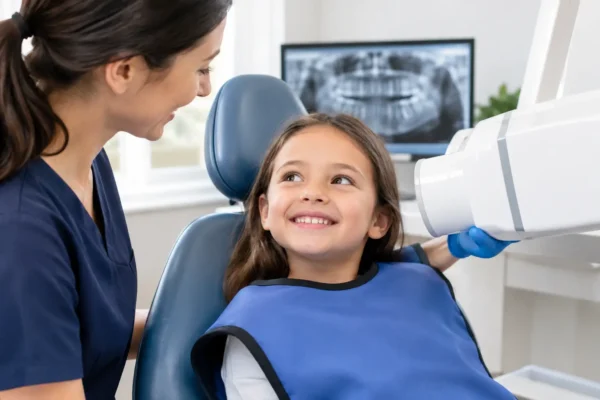
A child can have a bright smile, no toothache, and a perfectly normal-looking dental exam – yet still have a cavity beginning between two teeth. That is where dental X-rays can be helpful. This guide to dental x rays explains why pediatric dentists recommend images for some children, how safety is managed, and what your family can expect during the visit.
For many parents, the word “radiation” brings understandable questions. A caring pediatric dental team should welcome those questions, explain the reason for every image, and use X-rays only when they can provide information that cannot be seen another way. The goal is never to take images simply because it is time. It is to protect your child’s healthy smile with thoughtful, age-appropriate care.
Why Dental X-Rays Matter for Children
A visual exam lets the dentist see the surfaces of teeth, gums, and the areas that are easy to reach. X-rays allow the dentist to see below the surface and between teeth, where early concerns can be hidden. For children, that information can make a real difference because primary teeth are smaller, enamel is thinner, and cavities can sometimes progress more quickly than parents expect.
Dental X-rays may help identify cavities between teeth, monitor how permanent teeth are developing, check the roots of a tooth after an injury, or see whether there is infection or swelling below the gums. They can also show whether there is enough room for adult teeth to come in normally and help the dentist watch for teeth that are delayed, missing, or growing in an unusual position.
Finding a concern early often means a simpler, more comfortable solution. A very small cavity may be treated before it becomes painful. A developing spacing concern may be monitored before it affects your child’s bite. X-rays are one of several preventive tools that help families make informed choices before a problem becomes an emergency.
When Does a Child Need Dental X-Rays?
There is no single schedule that fits every child. Your pediatric dentist will consider your child’s age, cavity risk, dental history, oral hygiene habits, diet, and what can be seen during the exam. The amount of contact between your child’s teeth also matters. When teeth touch, it is difficult to inspect the spaces between them without an X-ray.
Some children need X-rays sooner or more often because they have a history of cavities, visible enamel changes, frequent sugary snacks or drinks, orthodontic concerns, dental pain, or an injury to the mouth. Other children with low cavity risk and open spaces between baby teeth may not need the same type or frequency of imaging.
At a first dental visit, images may or may not be needed. For an infant or toddler with a healthy exam and no concerns, the dentist may focus on helping the child feel comfortable, checking growth and development, and giving parents guidance for home care. As children grow and their teeth begin touching, X-rays can become more useful for checking areas that are otherwise hidden.
The Types of Dental X-Rays Your Child May Have
The name of an X-ray can sound technical, but the experience is usually straightforward. Your child may only need one type of image, depending on the reason for the visit.
Bitewing X-Rays
Bitewings are commonly used to check for cavities between back teeth. Your child gently bites on a small holder while the image is taken. These pictures also help the dentist see whether a cavity is close to the nerve inside the tooth and monitor bone levels around the teeth.
Periapical X-Rays
A periapical image shows an entire tooth, from the chewing surface through the root and surrounding bone. It may be recommended when a child has pain, swelling, a deep cavity, a history of injury, or a tooth that is not developing as expected.
Panoramic X-Rays
A panoramic X-ray takes a broad picture of the jaws, teeth, and developing permanent teeth. The machine moves around the child’s head without placing a sensor inside the mouth. This can be especially helpful when evaluating growth, eruption patterns, orthodontic needs, impacted teeth, or certain injuries.
Your child’s dentist will explain which image is being recommended and what it will help them evaluate. If you are unsure, it is always appropriate to ask, “What are we looking for with this X-ray?”
Are Dental X-Rays Safe for Kids?
Dental X-rays use a very small amount of radiation, and modern digital technology has reduced the exposure needed to create clear images. Pediatric dental practices follow the principle of using the lowest exposure reasonably needed to obtain useful diagnostic information. In simple terms, images are taken carefully, only when they will help guide your child’s care.
Safety involves more than the machine itself. The dental team uses appropriate equipment, precise positioning, and protective measures based on current recommendations and your child’s needs. Digital sensors are designed to capture images efficiently, helping the dentist avoid unnecessary retakes.
The benefit of an indicated X-ray should outweigh the small exposure involved. Missing a hidden cavity, infection, or developing problem can lead to more extensive treatment later. Still, “needed” is the key word. Your child’s dentist should tailor recommendations to the child in the chair, not rely on a one-size-fits-all routine.
If your child has had recent X-rays at another dental office, let the team know. Existing images may sometimes provide the information needed, depending on their quality and when they were taken. If your child has a medical condition or you have specific concerns about radiation, bring that up before the appointment so the dentist can talk through the plan with you.
Helping Your Child Feel Comfortable During X-Rays
Children often take their emotional cue from the adults around them. A calm, matter-of-fact explanation can make the experience feel ordinary rather than intimidating. You might tell a younger child, “The dentist is going to take special pictures of your teeth,” or explain to an older child that the pictures help the dentist look for tiny problems before they hurt.
Try to avoid words such as “shot,” “pain,” or “scary,” even when you mean to reassure your child. Dental X-rays do not hurt. Some children may find the small sensor awkward in their mouth for a few seconds, especially if they have a strong gag reflex or are still learning how to follow directions. A patient pediatric team can offer breaks, demonstrate the process, adjust positioning, and celebrate each successful step.
A few simple preparations can help. Schedule at a time when your child is usually rested, let the office know about sensory sensitivities or anxiety in advance, and bring glasses or hearing devices if your child uses them. Praise effort rather than perfection. Saying, “You held so still and tried your best,” builds confidence for the next visit.
Questions Parents Can Ask at the Appointment
Clear communication builds trust. Before images are taken, you can ask why the X-ray is recommended, what type of image is needed, and whether it will change the treatment plan. You can also ask how the office supports children who gag easily, feel nervous, or have developmental or sensory needs.
At Little Town Smiles, families are treated as partners in their child’s oral health. Parents deserve clear answers, and children deserve explanations they can understand. When a child knows what is happening and feels supported by a familiar adult and a compassionate dental team, a short X-ray appointment can become another positive step toward confident dental visits.
A dental X-ray is simply a helpful picture – one that can reveal small concerns while they are still easier to manage. By asking questions, sharing your child’s needs, and choosing a pediatric dental home that values comfort alongside prevention, you are helping create healthy teeth and a trusting relationship with dental care that can last a lifetime.
Categories: Blog

Comments are closed.