


The Best Habits for Strong Enamel in Children
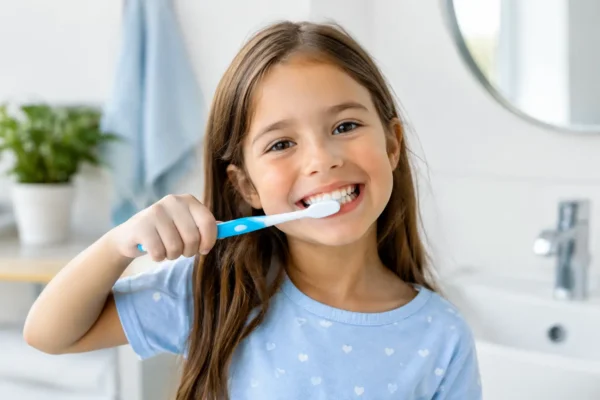
A child’s enamel begins facing daily challenges long before they can name them: a sticky fruit snack after school, a sports drink at practice, a rushed bedtime, or a sip of juice that lingers on teeth. The best habits for strong enamel are not complicated, but they do work best when families practice them consistently and adjust them as children grow.
Enamel is the hard outer layer that protects every tooth. It is remarkably strong, but unlike skin or bone, it cannot grow back once it has worn away. That makes prevention especially valuable. With a few steady routines and a trusted pediatric dental home, parents can help protect their child’s smile through baby teeth, permanent teeth, and every in-between stage.
Start brushing before problems begin
Good enamel care starts as soon as the first tooth appears. Before teeth come in, gently wipe your baby’s gums with a clean, damp cloth after feedings. Once the first tooth erupts, use a small, soft-bristled toothbrush and a tiny smear of fluoride toothpaste, about the size of a grain of rice.
For children ages 3 and older, use a pea-sized amount of fluoride toothpaste. Parents should brush for young children and help older children until they have the hand skills to do a thorough job on their own. Many children need help until around ages 7 or 8, though every child develops differently.
Brush twice each day for two minutes, especially before bed. Nighttime brushing matters because saliva flow slows during sleep. When food particles and sugars remain on teeth overnight, cavity-causing bacteria have more time to produce acids that weaken enamel.
Try making the routine pleasant rather than a negotiation. Let your child choose between two toothbrush colors, play a favorite two-minute song, or brush together at the sink. The goal is not perfection every night. It is building a familiar family rhythm that helps children feel capable and confident.
Use fluoride as enamel’s everyday helper
Fluoride is a natural mineral that helps strengthen enamel and can make teeth more resistant to acid attacks. It also supports remineralization, the process that helps repair very early weak spots before they become cavities.
Fluoride toothpaste is a reliable part of home care when used in the right amount and with adult supervision. Children who are learning to spit may swallow toothpaste, which is why the amount matters. Encourage them to spit out the extra toothpaste after brushing, but do not worry if they cannot rinse perfectly.
Whether a child needs additional fluoride treatment depends on factors such as cavity history, diet, oral hygiene, water source, and the dentist’s assessment. Some children benefit from professional fluoride applications during regular visits. Others may need a different preventive plan. A pediatric dentist can help families understand what fits their child rather than taking a one-size-fits-all approach.
Make drinks and snacks work for teeth
What children eat matters, but how often they eat and drink can matter just as much. Each time sugary or starchy foods touch the teeth, mouth bacteria create acids. Frequent grazing means enamel has fewer chances to recover between acid exposures.
Water is the best everyday drink, particularly between meals. It washes away food particles and helps the mouth return to a healthier balance. If your local water contains fluoride, it may offer an additional benefit for developing teeth.
Milk is also a tooth-friendly choice for many children at meals. Juice, soda, sweet tea, flavored waters, sports drinks, and many energy drinks can expose teeth to sugar and acid. Even 100% fruit juice contains natural sugars and should be limited to appropriate portions rather than sipped throughout the day.
This does not mean treats must disappear from childhood. Birthday cake, holiday candy, and an occasional sweet drink can have a place in family life. It is usually kinder to teeth to enjoy them with a meal instead of nibbling or sipping them over several hours. Afterward, offer water. If a snack is needed between meals, options such as cheese, yogurt, vegetables, eggs, or nuts for children old enough to eat them safely are often easier on enamel than crackers, gummies, or sticky fruit snacks.
Be thoughtful about acidic foods and drinks
Some foods and drinks can soften enamel because they are acidic, even when they are not especially sugary. Citrus fruits, tomato-based foods, sour candies, sparkling water, and sports drinks are common examples. These foods are not automatically off-limits. Fruit, for instance, offers important nutrition.
The habit to avoid is frequent exposure. A child who drinks lemon water all day or slowly finishes a sports drink at practice gives acid repeated opportunities to affect enamel. Offer acidic drinks with meals when possible and choose plain water afterward.
It can also help to wait about 30 minutes before brushing after highly acidic foods or drinks. Brushing immediately when enamel is temporarily softened may contribute to wear. A rinse or a few sips of water is a gentle first step.
Protect teeth during sleep, play, and busy days
Bedtime bottles and sippy cups deserve special attention. Once teeth are present, putting a child to bed with milk, juice, or another sweetened drink can leave sugars on the teeth for hours. Water is the safest bedtime drink after brushing.
For children who play contact sports or activities with a risk of falls, a properly fitted mouthguard can protect teeth from chips, fractures, and knockouts. Store-bought mouthguards may help in some situations, but a dentist can advise families on fit and protection, especially for children with braces or a history of dental injury.
Teeth are also not tools. Encourage children not to bite fingernails, open packages with their teeth, chew ice, or hold hard objects in their mouths. These habits may seem harmless until a tooth cracks or a filling breaks.
Keep dental visits calm and consistent
Regular dental visits give children a chance to become comfortable with care before there is pain or an urgent problem. They also allow the dental team to watch how teeth are erupting, spot early enamel changes, review brushing technique, and recommend preventive options such as sealants when appropriate.
Sealants are thin protective coatings placed on the chewing grooves of back teeth, where food and bacteria can settle easily. They do not replace brushing or flossing, but they can provide helpful extra protection for many children, particularly when permanent molars come in.
Parents should also call the dental office if they notice white or brown spots on teeth, sensitivity, persistent bad breath, pain when chewing, bleeding gums, or a chipped tooth. Early attention can often mean simpler, more comfortable care.
At Little Town Smiles, our team helps children build a trusting relationship with dental care through age-appropriate guidance, gentle prevention, and plenty of encouragement. A positive visit can make it easier for children to accept the daily habits that keep their smiles healthy.
The best habits for strong enamel grow with your child
A toddler needs hands-on help with brushing. A school-age child may need reminders after snacks and support learning to floss. A teenager may need practical conversations about sports drinks, braces, busy schedules, and the effects of vaping or tobacco on oral health. The routine changes, but the foundation stays the same: clean teeth thoroughly, choose water often, use fluoride wisely, and keep preventive appointments.
The most helpful message for children is simple: their teeth deserve care, not criticism. Celebrate the small wins, keep routines predictable, and let your child know that every good choice helps build a smile ready for all the growing, laughing, learning, and living ahead.
Categories: Blog

Comments are closed.