


Preventive Dentistry for Your Child’s Smile
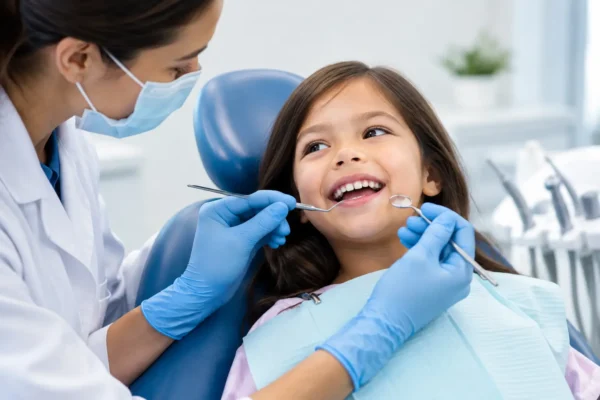
A child’s first few dental visits can shape how they feel about dental care for years to come. Preventive dentistry gives families a calm, practical way to protect growing smiles while helping children see the dental office as a familiar, friendly place rather than something to fear.
For parents, prevention is not about expecting perfect brushing or avoiding every possible cavity. It is about having a trusted pediatric dental team notice small changes early, offer age-appropriate protection, and help your child build skills one step at a time. From a first tooth to teen years, healthy habits and regular care work together.
What Preventive Dentistry Means for Children
Preventive dentistry focuses on keeping teeth and gums healthy before discomfort, decay, or more involved treatment develops. At a pediatric dental visit, that may include a gentle exam, professional cleaning, fluoride treatment when appropriate, dental X-rays based on your child’s needs, and a conversation about brushing, eating habits, and oral development.
Children are not simply small adults with smaller teeth. Their mouths change quickly, their brushing abilities grow over time, and baby teeth play an important role in eating, speaking, smiling, and saving space for permanent teeth. Pediatric preventive care takes those changes seriously.
A good preventive visit also creates space for questions. Parents may wonder whether thumb sucking is affecting the bite, why a toddler resists brushing, whether a permanent tooth is arriving normally, or how often their child really needs dental care. Clear guidance can replace guesswork with a plan that fits your family.
Why Baby Teeth Deserve Protection
Because baby teeth eventually fall out, it can be tempting to think a cavity in one is not urgent. In reality, untreated decay can cause pain, infection, trouble eating, disrupted sleep, and missed school or activities. It can also affect the teeth developing underneath and make future dental experiences more stressful for a child.
Protecting baby teeth helps children eat comfortably, speak clearly, and learn that taking care of their smile is a normal part of daily life. Prevention is often easier, more comfortable, and less costly than treating a dental problem after it has progressed.
Early visits also help a pediatric dentist track development. Some concerns, such as crowding, bite changes, enamel weaknesses, or habits that affect the mouth, benefit from being noticed early. Early attention does not always mean immediate treatment. Sometimes the right approach is simply watching growth carefully and giving families the right advice at the right time.
The Everyday Habits That Make the Difference
The most effective dental routine is one a family can repeat consistently. A child does not need a complicated system, but they do need support. Young children usually need an adult to brush for them or brush with them, even when they are eager to take over.
A healthy daily routine includes four simple practices:
- Brush twice a day with fluoride toothpaste, using a rice-sized smear for children under age 3 and a pea-sized amount for children ages 3 and older.
- Help with brushing until your child has the coordination to do a thorough job independently, often around ages 7 to 8.
- Clean between teeth once a day when teeth touch and a toothbrush cannot reach those surfaces.
- Offer water between meals and limit frequent sipping or snacking on sugary drinks and foods.
Frequency matters as much as quantity. A child who has a sweet snack or juice occasionally with a meal has a different cavity risk than a child who slowly sips a sweet drink throughout the afternoon. Each exposure gives mouth bacteria another chance to produce acids that weaken enamel.
This does not mean childhood should feel full of food rules. Families can make practical choices: serve sweet drinks less often, keep water easy to reach, save treats for mealtimes when possible, and avoid putting a baby to bed with a bottle containing milk, juice, or anything other than water. Small adjustments, repeated over time, can be meaningful.
What Happens at a Preventive Dentistry Visit
A child-centered visit should move at your child’s pace. Some children happily hop into the dental chair; others need a little time to look around, ask questions, or sit with a parent nearby. Both responses are normal.
The dental team will examine the teeth and gums, check how the jaws and bite are developing, and look for signs of decay or other concerns. Cleanings remove plaque buildup that brushing may miss. Depending on age, cavity risk, and the condition of the teeth, a dentist may recommend fluoride varnish or dental sealants.
Fluoride strengthens enamel and helps teeth resist decay. It is commonly used as a varnish during pediatric visits and is quick to apply. Sealants are thin protective coatings placed on the chewing surfaces of permanent back teeth, where deep grooves can trap food and bacteria. Sealants do not replace brushing, but they can add useful protection for children who are still refining their brushing habits.
X-rays are not automatically the same for every child. A pediatric dentist recommends them when they will provide information that cannot be seen during a visual exam, such as cavities between teeth or the position of developing permanent teeth. The timing depends on your child’s age, dental history, risk factors, and what the dentist sees in the mouth.
Making Dental Visits Feel Safe
Children take emotional cues from the adults around them. Before a visit, use simple, positive language. You might say, “The dentist will count your teeth and help us keep your smile healthy.” Avoid using words such as “shot,” “hurt,” or “drill” unless the dental team has asked you to discuss a specific treatment in advance.
It also helps to avoid making promises that may not be possible to keep, such as “Nothing will happen.” A more reassuring message is, “The dental team will explain what they are doing, and we will take it one step at a time.” This builds trust without creating unrealistic expectations.
At Little Town Smiles, children are treated as active participants in their care. A warm introduction, kid-friendly explanations, and patient encouragement can make a meaningful difference, especially for a child who is nervous or visiting for the first time. The goal is not just to complete an appointment. It is to help your child leave feeling more confident than when they arrived.
Prevention Changes as Your Child Grows
An infant’s dental needs look different from a teenager’s, so preventive care should evolve. For babies, guidance often centers on cleaning gums and new teeth, bottle habits, and scheduling that first dental visit by the first birthday or within six months of the first tooth appearing.
For preschoolers and elementary-age children, parents may need help with brushing technique, picky eating, cavities, and the arrival of permanent teeth. This is also a common time to consider sealants and monitor the effects of thumb sucking or pacifier use.
Teens may be more independent, but they still benefit from regular visits and reminders. Orthodontic treatment, sports participation, energy drinks, frequent snacking, and inconsistent routines can all affect oral health. Adolescents who play contact sports may need a custom mouthguard, while those with braces need extra support keeping around brackets and wires clean.
There is no single schedule or treatment plan that fits every child. Children with a history of cavities, enamel concerns, orthodontic appliances, or other risk factors may need more frequent preventive care. Your pediatric dentist can recommend a schedule based on your child’s individual needs rather than a one-size-fits-all rule.
A Healthy Smile Starts With Partnership
Parents do not have to manage every dental question alone. Preventive care works best when families and their pediatric dental team share information, set realistic routines, and address concerns before they become emergencies. If brushing has become a daily struggle, if your child complains of sensitivity, or if you notice spots on the teeth, it is always worth asking.
The next time you help your child brush, think of it as more than checking off a bedtime task. It is a few quiet minutes of care that can build confidence, comfort, and healthy teeth that last a lifetime.
Categories: Blog

Comments are closed.